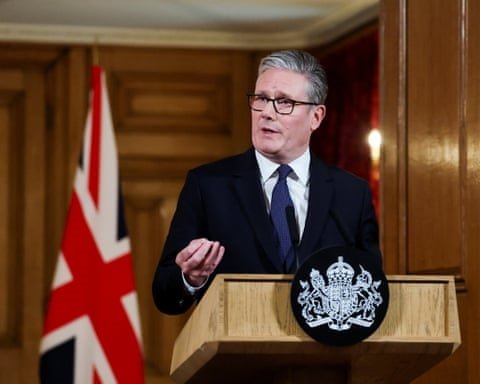
A significant shift in international diplomacy is underway as several key Western allies of Israel have moved to formally recognize the state of Palestine. This coordinated action, led by nations including the United Kingdom, Canada, and Australia, marks a pivotal moment in the long-standing Israeli-Palestinian conflict.
The announcements, made over the weekend, are part of a broader international effort to salvage the prospect of a two-state solution, which many observers fear is on the brink of collapse. The move is designed to apply diplomatic pressure and create a new framework for future negotiations.
However, the decision is not without substantial risks. There are serious concerns that the Israeli government could respond by annexing significant portions of the West Bank. Such a step would likely trigger a severe diplomatic crisis, potentially leading to trade sanctions from European powers and further political isolation for Israel on the global stage.
The recognition by these nations comes with specific conditions. The central demand is for a reformed and democratically legitimate Palestinian Authority that would eventually assume governance in Gaza, replacing Hamas following a ceasefire and the group’s disarmament. This plan has received backing from several Arab states.
The initiative has faced strong opposition from the Israeli government, which has rejected the proposals outright. Israeli leaders argue that the current Palestinian leadership is not a credible partner for peace. The United States, a key Israeli ally, has also distanced itself from this diplomatic push and did not participate in related UN meetings.
Proponents of the recognition argue that it is a necessary step to counter Israeli policies they believe are systematically eroding the possibility of a future Palestinian state, specifically citing the expansion of settlements in sensitive areas. They insist the move is not an endorsement of Hamas, but rather a reaffirmation of a two-state solution that would inherently preclude the militant group’s objectives.
The international community now watches closely to see if this diplomatic maneuver will revive peace efforts or instead lead to a further escalation of tensions in the region.