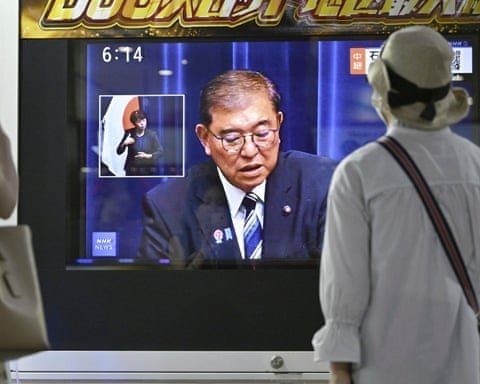
Japan’s political landscape faces renewed turmoil following Prime Minister Shigeru Ishiba’s unexpected resignation announcement, marking the second leadership collapse within the ruling Liberal Democratic Party in under two years. The departure stems from persistent public anger over a long-running political funding scandal that continues to erode voter confidence.
Ishiba’s brief tenure, lasting less than a year, was marred by consecutive electoral setbacks. His decision to call snap elections shortly after taking office backfired spectacularly, costing the LDP its majority in the lower house and forcing the formation of a minority government. The political bleeding continued through July’s upper house elections, where voters delivered another decisive blow to the scandal-plagued party.
The core issue revolves around widespread financial misconduct among LDP lawmakers, who allegedly funneled unreported proceeds from political events into secret accounts. Despite previous leader Fumio Kishida’s apology and promises of reform, the party has struggled to demonstrate genuine contrition. Public frustration intensified when most politicians implicated in the scandal faced no legal consequences.
Ishiba’s own political judgment came under fire after he distributed gift certificates to newly elected party members—a move critics cited as evidence that the LDP’s culture of financial impropriety remained entrenched. While the prime minister pointed to the elimination of certain undisclosed political funds as progress, his resistance to broader donation restrictions undermined reform efforts.
The LDP now confronts its most severe internal crisis in decades, with the party’s very survival at stake. Historical precedents offer limited comfort—while the party recovered from previous setbacks in the 1990s and 2009, current divisions appear more profound. The coming leadership contest, scheduled for early October, will test whether the party can unite behind a candidate capable of restoring public trust.
Political observers note that the succession battle may prioritize party survival over substantive policy debates, even as Japan faces pressing challenges including economic pressures, regional security concerns, and potential trade disruptions. The party’s warring factions must quickly find common ground, with attention turning to whether younger, more charismatic figures like Shinjiro Koizumi can bridge internal divides.
With the LDP potentially facing only its third period in opposition since its founding, the coming weeks will determine whether Japan’s long-dominant political force can reinvent itself or whether voters will seek alternative leadership to address the nation’s mounting challenges.