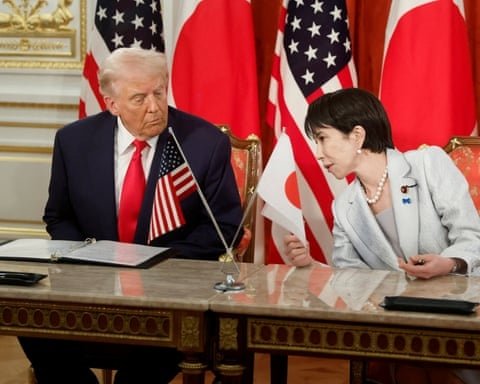
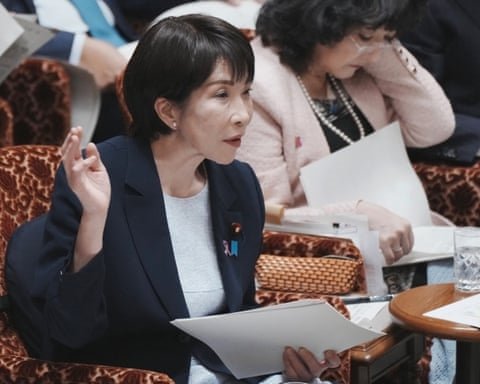
The Japanese Prime Minister has revealed she functions on as little as two hours of sleep per night, drawing attention to the country’s ongoing struggle with workplace culture and employee wellbeing. The leader acknowledged her limited rest during parliamentary discussions about addressing Japan’s extensive working hours.
Her comments came after reports emerged of staff being summoned to her office for a 3 AM meeting in preparation for a budget committee session. When questioned about her approach to work-life balance, she pointed to visible fatigue around her eyes while stating she typically sleeps between two and four hours nightly.
Japan continues to grapple with corporate expectations that prioritize long working hours, a practice linked to health concerns and demographic challenges. The nation has documented cases of work-related fatalities attributed to excessive labor, while experts suggest demanding schedules may also contribute to low birth rates.
The administration is currently examining potential adjustments to overtime regulations, with officials emphasizing that any modifications would prioritize worker health. The Prime Minister has articulated a vision for creating conditions where citizens can effectively balance professional responsibilities with personal and family needs.
Her workload has prompted concern across political lines, with colleagues and opponents alike expressing apprehension about her wellbeing. One opposition legislator publicly encouraged her to get more rest, receiving an appreciative response.
Research indicates Japanese adults average approximately seven hours of sleep on weeknights, falling below international norms. The Prime Minister’s schedule has been particularly demanding since taking office, involving multiple international summits and high-level diplomatic engagements.
Ongoing regional tensions, particularly regarding maritime security issues, present additional challenges that may further complicate efforts to establish sustainable work patterns within the government.