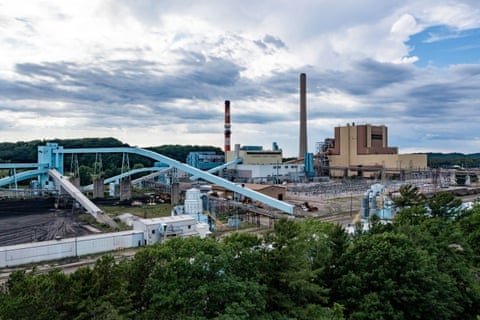

A pioneering power facility has commenced operations in Fukuoka, Japan, marking a significant step in the development of osmotic energy. This innovative plant, only the second of its kind globally, is designed to generate approximately 880,000 kilowatt hours of electricity annually.
This output is sufficient to contribute power to a nearby desalination facility, which provides fresh water to the city and surrounding regions. The annual generation is estimated to be equivalent to the electricity consumption of over 200 average households.
Unlike variable renewable sources like wind or solar, osmotic power offers a consistent, around-the-clock energy supply. The technology capitalizes on a fundamental natural process: osmosis. This involves the movement of water across a specialized membrane from a less salty solution to a saltier one.
In the Fukuoka installation, treated wastewater and seawater are separated by this membrane. The seawater side is kept under pressure. As freshwater naturally moves through the membrane to dilute the seawater, the volume of the pressurized solution increases. This pressurized flow is then directed through a turbine connected to a generator, thereby producing electricity.
A key feature of the Japanese plant is its use of concentrated seawater, or brine, a byproduct from the desalination process. Utilizing this highly saline waste stream enhances the difference in salt concentration, which in turn increases the potential energy yield.
While the underlying principle is straightforward, scaling the technology presents challenges. A significant portion of the generated energy is consumed by the pumps that move water into the system and is lost to friction within the membranes. However, ongoing advancements in membrane and pump efficiency are steadily improving the net energy gain.
The successful operation of the Fukuoka facility is seen as a critical validation of osmotic power’s potential for larger-scale applications. It follows a similar, though smaller, plant that began operations in Denmark in 2023. Pilot projects have also been tested in other countries, including Norway and South Korea.
Experts suggest that regions with access to both freshwater and highly saline water sources, such as salt lakes or desalination plant outflows, are ideal candidates for future osmotic power developments. The technology represents a promising method of generating baseline renewable power while simultaneously supporting essential water infrastructure.