Classified Israeli military intelligence records indicate that only about 25% of Palestinians detained from Gaza have been identified as fighters, with civilians comprising the overwhelming majority of those held without charge or trial.
According to official data from May, Israel had detained approximately 6,000 individuals from Gaza under its “unlawful combatants” legislation, which permits indefinite imprisonment without presenting evidence in court. Military intelligence records identified just 1,450 of these detainees as fighters, representing roughly one in four of those imprisoned.
The detainee population has included numerous civilians such as medical workers, teachers, civil servants, and children. Documentation reveals cases like an 82-year-old woman with Alzheimer’s disease who was held for six weeks, and a single mother separated from her young children who were left to beg on the streets during her 53-day detention.
Multiple sources within the Israeli military have described even lower ratios of fighters to civilians. When images of shackled Palestinian detainees sparked international concern in late 2023, senior officers reportedly acknowledged that 85-90% of those depicted were not Hamas members.
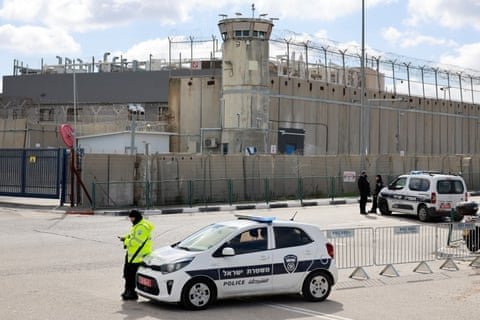
Human rights organizations have documented particularly vulnerable detainees, including elderly and disabled individuals held in a segregated area at the Sde Teiman military base that soldiers reportedly referred to as “the geriatric pen.”
The Israeli military states it has returned over 2,000 detainees to Gaza after determining they had no militant connections, while maintaining that “most” detainees are involved in terrorist activities. The military acknowledged one elderly detainee’s imprisonment resulted from “a local, isolated error in judgment” but defended the practice of detaining individuals with medical conditions by noting that “individuals with medical conditions or even disabilities can still be involved in terrorism.”
Legal experts have raised concerns about the detention system, noting that detainees can be held for 75 days without legal representation and 45 days without judicial review, periods that were extended at the war’s outset. There have been no known trials of anyone captured in Gaza since hostilities began.
Human rights advocates suggest the mass detentions may be partly driven by using detainees as bargaining chips in negotiations. This concern is reinforced by statements from soldiers and politicians questioning why civilians should be released “for free” when hostages remain captive.
The situation has created anguish for families in Gaza, where many remain unaware of their detained relatives’ whereabouts or conditions. One mother searched for months for her 16-year-old son, checking hospital morgues before learning from a released detainee that her son was alive but imprisoned.