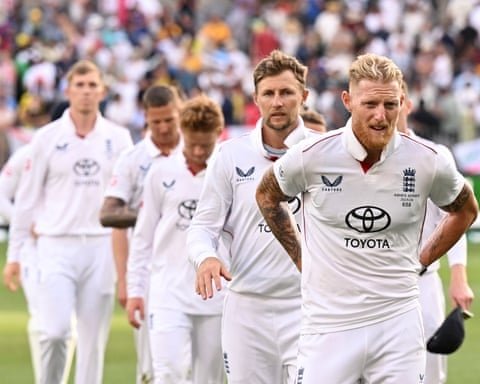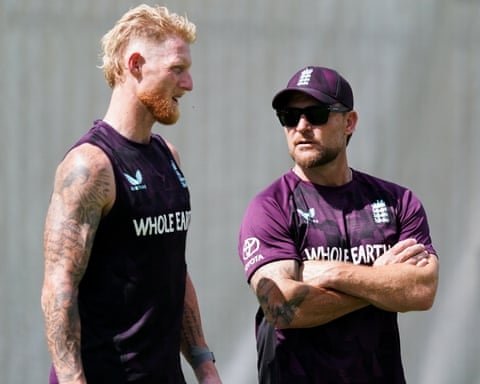
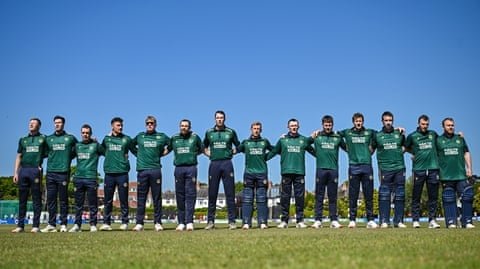
As England’s cricket team arrives in Dublin for their T20 series against Ireland, the contrast between the two cricketing nations could not be more striking. While England concludes another packed international summer, Ireland’s home season has been notably sparse, highlighting ongoing challenges facing the sport in the country.
Ireland’s white-ball captain Paul Stirling describes the upcoming matches as feeling like “the start of our winter programme,” noting that the team hasn’t hosted an international series since facing the West Indies in June. The limited home schedule has been further diminished by weather disruptions and cancelled tours.
The absence of permanent stadium infrastructure continues to pose significant obstacles. Transforming club grounds into international venues requires substantial temporary construction, creating financial pressures that have led to the cancellation of scheduled tours by Australia and Afghanistan in recent years.
Recent developments offer hope for the future. Government approval has been secured for a new stadium in west Dublin, intended to serve as a permanent home for Irish cricket and as a venue for the 2030 T20 World Cup, which Ireland will co-host with England and Scotland.
However, immediate concerns persist. The postponement of the European T20 Premier League, a franchise tournament developed in partnership with Scotland and the Netherlands, represents another setback. Originally scheduled for this summer, the league’s launch has been pushed to 2026, delaying potential benefits for players seeking more competitive opportunities.
The tournament’s chairman remains committed to the concept, acknowledging that initial timelines were “too ambitious” while expressing confidence in the league’s potential to attract investment and develop the sport across Europe.
For Irish players, the limited domestic schedule presents development challenges. Stirling emphasizes the importance of such tournaments for improving standards, noting that exposure to international coaches and players would “improve the whole system from top down.”
As Ireland prepares to face an England squad fresh from extensive domestic competition, the structural disparities between established and developing cricket nations remain evident. The coming years will prove crucial in determining whether planned infrastructure and tournament developments can provide the foundation Irish cricket needs to compete consistently at the highest level.