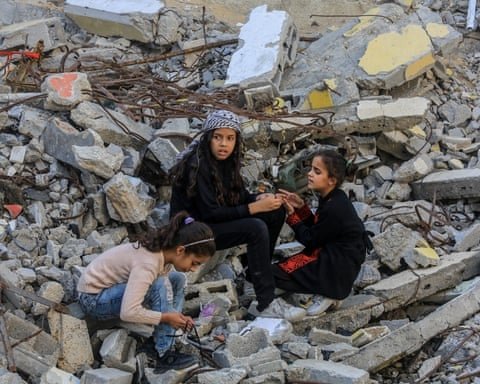
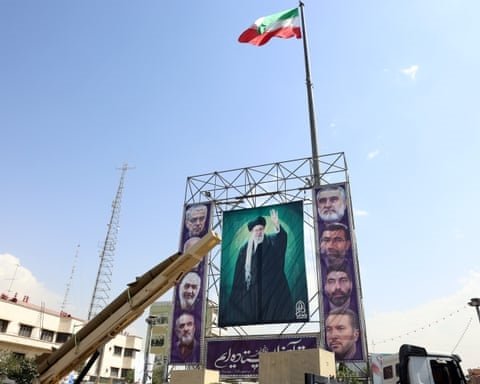
Iran is reportedly weighing a significant shift in its regional strategy by potentially directing hundreds of thousands of Afghan refugees toward its borders with Iraq and Turkey. This development comes as Tehran adopts a more assertive posture following recent military strikes on its nuclear facilities and the reinstatement of international sanctions.
The proposed refugee movement represents one component of a broader strategic response that includes missile program expansion, enhanced air defense capabilities, and reduced cooperation with United Nations monitoring bodies. Iranian authorities have confirmed their opposition to renewed negotiations with the United States, citing skepticism about their potential success.
This potential refugee redirection bears similarity to previous regional incidents where nations have used migration flows as diplomatic leverage. Iran has historically hosted substantial Afghan refugee populations, with estimates suggesting the country has accommodated up to six million Afghans at various points. Recent reports indicate approximately one million refugees have been returned to Afghanistan this year alone, with accelerated returns following June’s military actions against Iranian targets.
The refugee situation has been further complicated by recent policy changes. Until March of this year, many Afghans had obtained temporary legal status through documentation that provided access to essential services including healthcare, education, and employment authorization. These documents have since been invalidated, leaving an estimated two million Afghans in Iran without legal status.
Diplomatic efforts continue amid the escalating tensions. Iranian officials recently proposed allowing international inspectors access to damaged nuclear facilities and providing uranium stockpile reports within 45 days. In exchange, Tehran sought permanent removal of sanctions threats rather than temporary relief. These proposals reportedly received no substantive engagement from American counterparts.
The international community remains divided on sanctions enforcement. While several nations have begun implementing restrictions, others have questioned the legal basis for their reimposition. The situation has already impacted Iran’s economic stability, with the national currency reaching record lows against the dollar.
The coming weeks are expected to bring further diplomatic confrontations, particularly regarding proposed UN monitoring mechanisms for the reinstated sanctions. The evolving situation reflects deepening regional divisions and the complex interplay between humanitarian concerns and international security considerations.