Iran is weighing a significant shift in its refugee policy, potentially directing large numbers of Afghan migrants toward its western frontiers with Iraq and Turkey. This strategic move comes as Tehran develops a more assertive foreign policy approach following recent attacks on its nuclear facilities and the reinstatement of international sanctions.
The proposed refugee redirection forms part of a broader strategy that includes expanding missile capabilities, enhancing air defense systems, and limiting cooperation with United Nations monitoring agencies. Iranian authorities have confirmed they will oppose the formation of a UN committee to oversee recently reimposed sanctions later this month.
This tactic mirrors previous regional maneuvers, recalling similar refugee-related pressures applied by neighboring governments toward European borders in earlier conflicts.
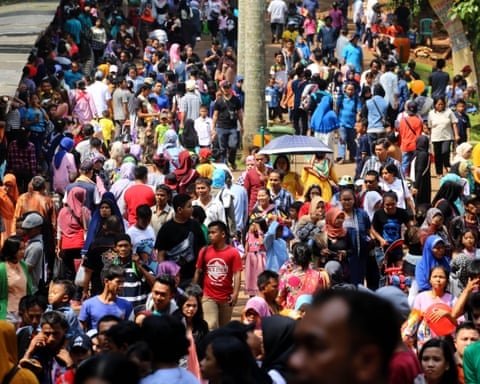
Iran has historically hosted substantial Afghan refugee populations, with numbers reaching up to six million at various points. Recent reports indicate approximately one million Afghans have returned to their homeland this year alone, many fleeing economic hardship or Taliban governance. Since June, estimates suggest around half a million individuals have been repatriated.
Earlier this year, Iran terminated temporary legal status documents that had allowed many Afghan refugees access to essential services including healthcare, education, and employment. Current estimates indicate at least two million Afghans remain in Iran without legal authorization, with international organizations projecting potential returns of up to four million people to Afghanistan this year.
Meanwhile, Tehran continues its diplomatic engagements, having recently recalled ambassadors from several European nations for consultations. While Iranian officials have offered limited nuclear site access and uranium stockpile reporting in exchange for permanent sanctions relief, they describe American diplomatic efforts as inconsistent and unreliable.
The upcoming UN Security Council session is expected to feature further confrontation, with Russia positioned to block the proposed sanctions monitoring committee. Several nations have already begun implementing the restored sanctions, though others aligned with Moscow and Beijing are likely to resist enforcement.
The renewed sanctions, while narrower in scope than existing American restrictions, are already affecting Iran’s economic stability, with the national currency reaching record lows against the dollar in recent trading.