A fierce confrontation between rival extremist groups in northeastern Nigeria has resulted in the deaths of approximately 200 combatants. The battle erupted over the weekend in the Lake Chad area, a volatile region where the borders of Nigeria, Niger, Chad, and Cameroon converge.
The conflict pitted fighters from Boko Haram against those of the Islamic State West Africa Province (ISWAP), a faction that originally broke away from Boko Haram. The fighting centered on the village of Dogon Chiku, with the strategic waterways and islands of the shrinking lake serving as a key operational zone for such armed groups, which often extort local fishermen, loggers, and herders.
Initial assessments indicate that ISWAP suffered the heaviest losses in the engagement. Reports from the area suggest that Boko Haram forces managed to seize several boats used by their rivals during the assault.
A source within a local militia that cooperates with Nigerian security forces confirmed the high death toll, stating that the fighting had eliminated a significant number of ISWAP militants. A separate security official described the incident as a development that benefits government forces, effectively weakening the militant factions through internal strife.
This violent episode represents the latest chapter in a protracted struggle for territorial control and influence between the two groups. Since their split in 2016, they have repeatedly clashed in the Lake Chad basin. The ongoing confrontation is part of a broader pattern of instability involving various non-state actors vying for power across the Sahel.
The environmental degradation of Lake Chad, which has lost most of its surface area over the decades, has inadvertently altered the local landscape, creating new land routes that militant groups can exploit. While ISWAP has often been viewed as the more formidable faction in recent years, Boko Haram has demonstrated a persistent ability to contest control of this critical area. This latest clash is potentially one of the deadliest encounters between them to date.
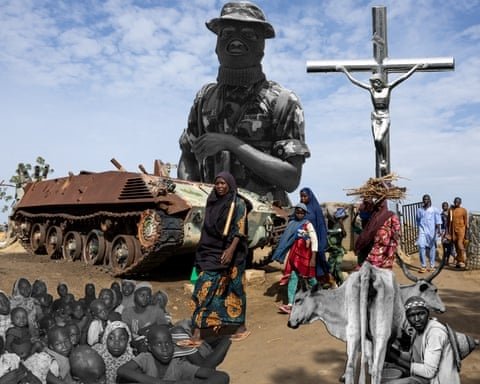
The conflict between these and other splinter groups has its roots in an insurgency that began over a decade and a half ago. The ensuing violence has led to tens of thousands of fatalities and displaced millions of people in Nigeria’s northeast, creating a profound humanitarian crisis.