
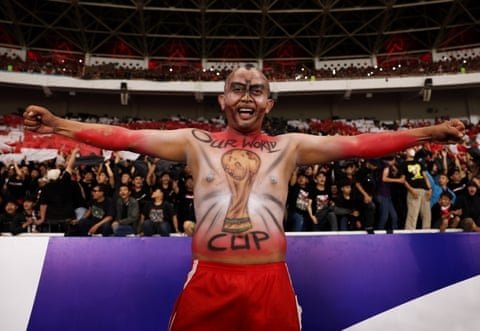
Three years after one of football’s darkest chapters, Indonesia stands on the brink of World Cup qualification, marking a remarkable turnaround for a nation with deep football passion but a troubled sporting history.
The 2022 stadium disaster that claimed 135 lives represented the lowest point in decades of challenges that included governance issues, league disputes, and international suspensions. Just last year, the country faced another setback when it lost hosting rights for a major youth tournament.
Yet football’s governing body recognized reform efforts, awarding Indonesia the Under-17 World Cup, which proved successful. Now, the senior national team faces its greatest opportunity—two matches against Saudi Arabia and Iraq that could secure World Cup qualification for the first time since 1938, when the nation competed as the Dutch East Indies.
The transformation stems largely from strategic naturalization of European-born players with Indonesian heritage. Under new leadership, the team has integrated numerous dual-nationality players, creating a squad that communicates primarily in Dutch and English. This approach has yielded immediate results, with Indonesia outperforming regional rivals during qualification.
Current coach Patrick Kluivert, appointed earlier this year, faces his toughest challenge yet. The upcoming matches in Saudi Arabia present logistical hurdles, with Indonesia playing twice in three days while their hosts enjoy longer rest periods. Still, the team has already demonstrated its capability by securing a draw in Saudi Arabia during earlier qualification rounds.
Domestic football continues its recovery journey. League restructuring aims to boost commercial revenue, though challenges persist, including ongoing restrictions on away supporters following the 2022 tragedy. Recent incidents of fan behavior have delayed the full return of normal match operations.
While systemic issues remain in Indonesian football, World Cup qualification would represent the most significant progress since the stadium tragedy, offering hope to one of Asia’s most football-passionate nations.