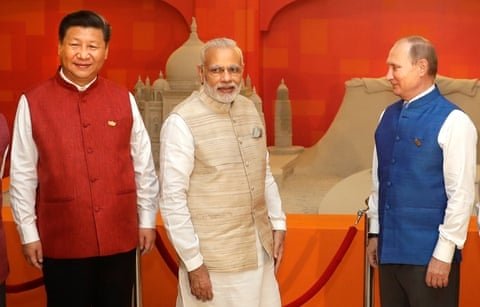
Prime Minister Narendra Modi is embarking on his first visit to China in seven years, a significant diplomatic move that coincides with a major escalation in trade tensions with the United States. The trip, which includes attendance at a regional security summit, will feature meetings with Chinese President Xi Jinping and Russian President Vladimir Putin.
This high-profile gathering occurs just days after Washington imposed steep 50% tariffs on a wide range of Indian exports. The US administration cited India’s continued procurement of Russian crude oil as the primary reason for the punitive measures, arguing that such purchases help finance Moscow’s military operations. The new tariffs affect approximately two-thirds of India’s annual exports to the US, its largest market, dealing a severe blow to key industries.
The dispute has significantly strained the US-India partnership, which had been strengthening in recent years based on shared technological interests and strategic concerns. Analysts suggest the rift has compelled New Delhi to urgently diversify its economic and diplomatic relationships.
The timing of the summit offers a strategic opportunity for both Beijing and Moscow. For China, Modi’s visit signals a potential thaw in relations following a period of border tensions. Discussions are expected to focus on trade and investment, as both nations explore a more stable relationship despite underlying territorial disputes.
Meanwhile, Russia aims to reinforce its longstanding partnership with India, particularly in defense and energy. New Delhi views its relationship with Moscow as crucial for maintaining a balance in its international ties and ensuring its energy security needs are met.
In response to the US trade measures, India has launched an initiative to expand its textile exports to dozens of countries. This effort to find alternative markets underscores the significant economic pressure facing the Indian government.
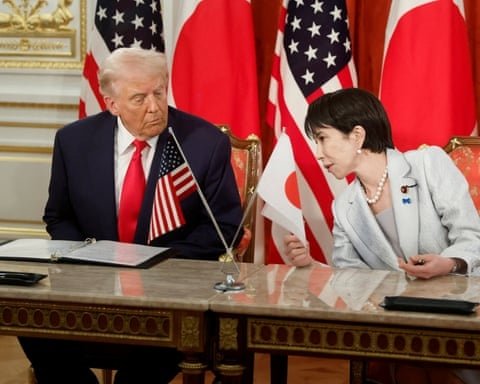
Prior to his China visit, Modi traveled to Japan, where the two nations announced substantial investment agreements. Japanese companies are expected to invest tens of billions of dollars in India over the coming decade, with a major automaker pledging significant funds for expansion. The deepening partnership with Japan is seen as another key element in India’s strategy to offset the impact of strained US relations.
The diplomatic imagery of Modi meeting with Xi and Putin is interpreted by observers as a clear signal to Washington that India is actively pursuing other strategic options. While Indian officials emphasize they wish to maintain ties with the US, they also stress the necessity of diversifying international partnerships in the current geopolitical climate.