The Icelandic language, spoken by only 350,000 people, is confronting a severe risk of extinction within a single generation, according to a former national leader. The dual pressures of artificial intelligence development and the overwhelming dominance of English-language media are identified as the primary drivers of this linguistic crisis.
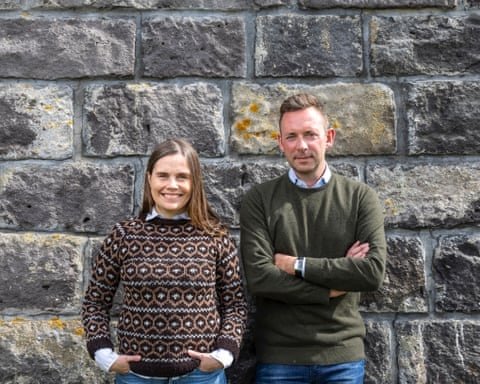
The former prime minister, who recently transitioned to writing crime fiction, described the situation as a period of “radical” transformation for the Nordic nation. She emphasized that the trend of Icelanders increasingly consuming information in English, particularly among the youth, is being dangerously accelerated by the fundamental way AI language models are trained.
“A significant number of languages vanish, and with them, a vast repository of human thought and value is lost,” she stated. She expressed a profound sense of responsibility to preserve Icelandic, one of the world’s least-altered languages, but voiced concern that current efforts are insufficient. Young Icelanders, she noted, are now “completely enveloped” by English-language content on social media and other digital platforms.
While acknowledging that Iceland has been proactive in advocating for AI to support its native tongue—evidenced by a recent, pioneering national education partnership with a leading AI firm—she highlighted the critical importance of using Icelandic texts to train these systems. Her co-author echoed the alarm, stating, “We are merely one generation from losing this language due to these massive shifts,” pointing out that children are now frequently reading online and even conversing with each other in English.
A historical parallel was drawn to the period of Danish rule, which ended in 1918, when the Icelandic language experienced significant foreign influence. That trend, however, was rapidly reversed by a powerful grassroots movement. The former leader suggested a similar, strengthened initiative is needed today to rekindle a national conversation about the intrinsic value of preserving their language, arguing that it fundamentally shapes thought and that “the fate of a nation” can hinge on its linguistic integrity.
Beyond the threat to the language itself, she warned of the enormous challenges AI presents to authors and the entire creative sector. She admitted that the discovery of people forming relationships with AI has caused her to question the assumed permanence of the human author’s role for readers.
Amidst these technological upheavals, her hope is that her new novel, a chart-topping work set in a remote 1980s Icelandic village, will resonate with readers on a deeply human level. For her, the act of reading and writing remains a therapeutic process, fostering greater empathy and self-understanding.