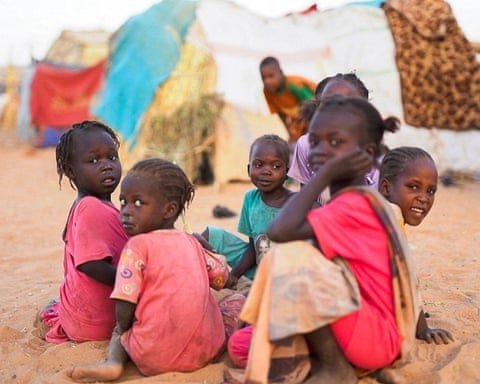
A severe humanitarian emergency is escalating in North Darfur after a Sudanese paramilitary group seized control of the regional capital, El Fasher, in late October. Relief agencies report that aid operations are nearing total collapse, while medical organizations describe “staggering” levels of acute malnutrition, particularly among displaced children.
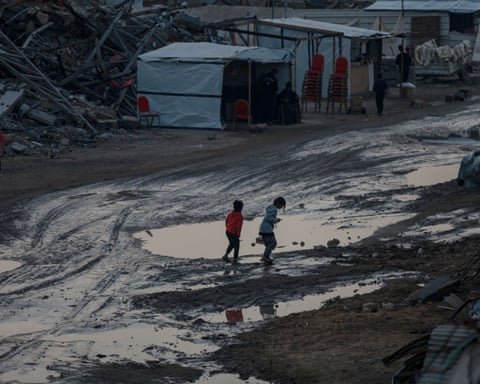
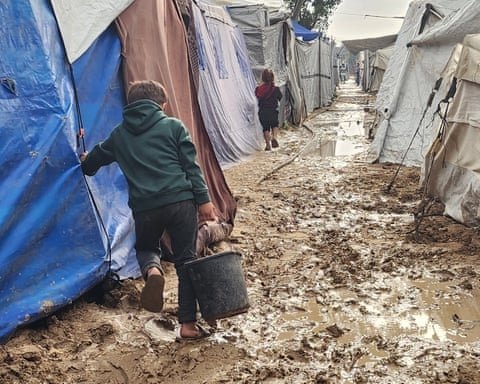
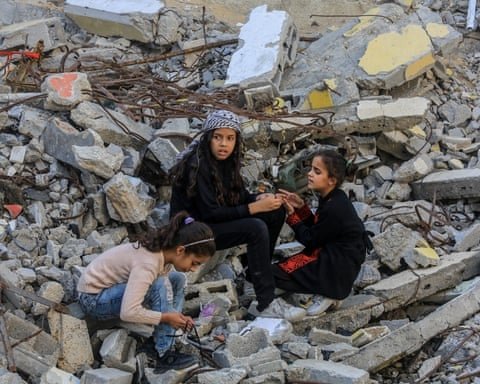
The capture of El Fasher by the Rapid Support Forces (RSF) has triggered a massive displacement of civilians. According to UN agencies, approximately 90,000 people have fled the city and surrounding villages in recent weeks, many arriving at severely overcrowded camps in Tawila, located about 70 kilometers away. These displacement sites are described as barren landscapes with inadequate shelter, food, and medical supplies.
Medical personnel on the ground report that over 70% of children under five arriving in Tawila since the city’s fall are suffering from acute malnutrition, with more than a third experiencing the most severe form of the condition. The true scale of the crisis is believed to be significantly worse than current reports indicate.
Humanitarian organizations face immense challenges in delivering assistance. Aid convoys encounter significant security risks, warehouses are nearly depleted of supplies, and access restrictions continue to prevent sufficient aid from reaching those in need. Without safe access routes and urgent funding, relief operations risk complete breakdown.
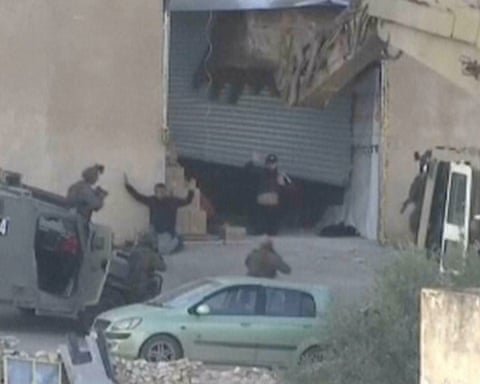
Disturbing accounts from survivors describe widespread violence during and after the city’s capture. Witnesses report paramilitary vehicles deliberately targeting civilians with machine-gun fire and running over pedestrians, including children and elderly individuals. Additional reports indicate residential areas were systematically raided, resulting in dozens of killings in single streets.
The conflict between the RSF and the Sudanese army, which began in April 2023, has created one of the world’s most severe humanitarian disasters. International investigators have launched probes into potential war crimes in El Fasher, examining satellite imagery, witness testimonies, and documentation of atrocities.
As the situation continues to deteriorate, the international community faces mounting criticism for its limited response to a crisis that shows no signs of abating.