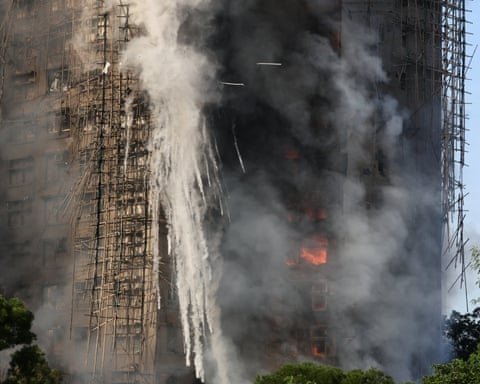
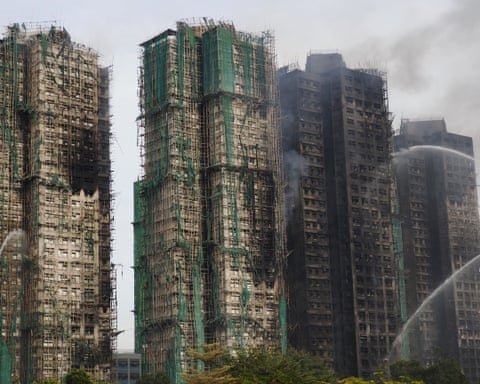
A devastating fire at the Wang Fuk Court residential complex has left a community in mourning and raised urgent questions about housing safety and government accountability in Hong Kong. The blaze, which tore through multiple high-rise buildings, has resulted in a rising death toll with hundreds still unaccounted for as emergency crews continue their efforts.
The tragedy has ignited public anger over longstanding concerns about affordable housing conditions in the city, where densely populated residential towers can become hazardous during emergencies. Many residents had previously voiced complaints about construction standards at the complex, though these warnings appear to have gone unheeded.
In response to the disaster, city officials announced a HK$300 million relief fund and proposed replacing traditional bamboo scaffolding with metal alternatives. Authorities have also demanded contractors provide documentation of fire-retardant materials within seven days.
However, the focus on bamboo scaffolding has drawn criticism from some quarters, with critics arguing it diverts attention from broader safety failures. Traditional bamboo scaffolding, considered part of Hong Kong’s cultural heritage, has become a point of contention in the investigation.
Three individuals connected to the building maintenance company have been detained, while the city’s anti-corruption agency has launched a criminal probe into the renovation work. The disaster has also prompted discussions about potentially delaying upcoming legislative elections, echoing similar postponements in recent years.
The central government has pledged full support, with Chinese companies committing substantial financial aid and military forces standing ready to assist. Yet beneath the official responses, many residents question whether there will be genuine accountability for one of Hong Kong’s deadliest fires in decades.