
The International Criminal Court has delivered its first conviction for crimes committed during the Darfur conflict, finding a senior militia commander guilty of multiple war crimes and crimes against humanity.
Ali Muhammad Ali Abd-al-Rahman, widely known by his nom de guerre Ali Kushayb, was convicted on 27 counts for his central role in a systematic campaign of violence in western Sudan two decades ago. Presiding Judge Joanna Korner stated the court was convinced of his guilt “beyond reasonable doubt” following extensive proceedings.
Evidence presented during the trial detailed horrific abuses, including mass executions and systematic sexual violence. The court heard how the defendant personally participated in atrocities, including one incident where he supervised the beating and subsequent execution of approximately 50 civilians after transporting them by truck to a remote location.
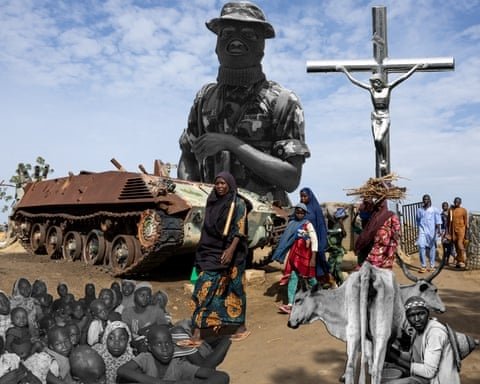
Prosecutors established that the accused served as a key commander in the Janjaweed militia, which implemented a government-backed strategy to crush rebellion in Darfur. The conflict erupted when non-Arab communities took up arms against what they described as systematic discrimination by Sudan’s Arab-dominated government in Khartoum.
The defendant had maintained his innocence throughout the proceedings, claiming mistaken identity and denying any connection to the crimes. However, the court rejected these assertions, confirming his identity as the notorious militia leader known as Ali Kushayb.
His capture came in 2020 when he surrendered to authorities in the Central African Republic, expressing fear for his safety following political changes in Sudan. The conviction represents a landmark moment for international justice efforts concerning the Darfur conflict, which the United Nations estimates claimed 300,000 lives and displaced 2.5 million people during the 2000s.
The verdict comes as Sudan faces renewed violence, with current fighting between the national army and paramilitary forces having displaced millions and pushed the country toward famine. The court is expected to determine sentencing in separate proceedings at a later date.