
A new American-led initiative to end the prolonged conflict in Gaza has been presented, with a short window for acceptance. The proposal, which has garnered support from several international leaders, gives the militant group Hamas a matter of days to agree to its terms or face severe consequences.
The plan outlines a 20-point framework that includes the immediate disarmament of Hamas and its exclusion from any future political role in Gaza. In exchange for a ceasefire, the plan mandates the release of all remaining hostages within 72 hours. It also stipulates a phased withdrawal of military forces to established buffer zones and a significant increase in the delivery of humanitarian aid to the beleaguered population.
International reaction to the proposal has been largely positive. The United Nations has urged all involved parties to commit to the agreement. Key European leaders have also voiced their support, with the European Union expressing its readiness to contribute to the plan’s implementation.
However, the plan faces significant hurdles. The Israeli prime minister has publicly stated that his nation’s military will maintain a presence across much of the territory, a condition at odds with the aspirations of Palestinian officials. Meanwhile, Hamas officials have stated they require time to review the proposal, calling it heavily biased. They are expected to deliver a formal response after internal consultations.
Further complicating the security landscape is the reported emergence of multiple armed militia groups within Gaza. These factions, some of which are said to have received support from external forces, are vying for control, potentially undermining any future governing authority and aid distribution efforts.
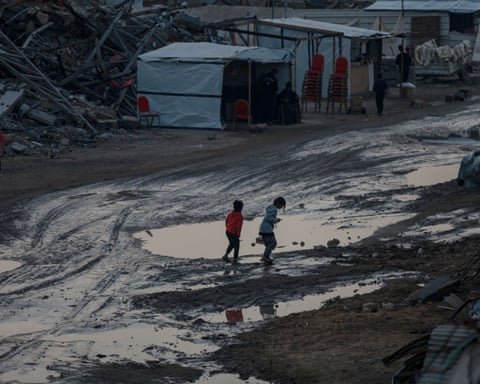
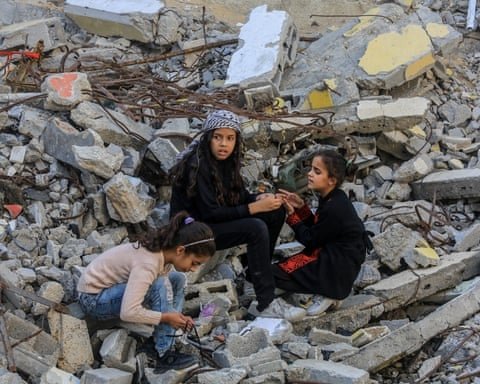
The humanitarian situation remains dire. Local health authorities report that hundreds of civilians, including a significant number of children, have perished from famine and malnutrition as the conflict continues to impede aid access.