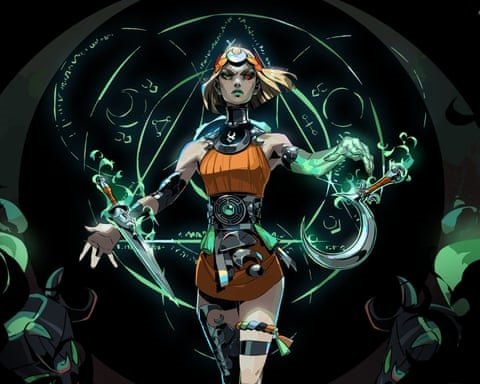
The highly anticipated follow-up to the 2020 indie sensation Hades has arrived, and developer Supergiant Games has delivered a sequel that both honors its predecessor and confidently charts its own course. Where the original game centered on Zagreus’s escape from the underworld, Hades II shifts focus to his sister Melinoë, a witch-in-training whose mission takes her on nightly sorties against the Titan of Time, Chronos.
Combat receives a magical overhaul that distinguishes this installment from its forebear. Melinoë’s arsenal—from her witch’s staff to umbral flames—feels distinctly sorcerous, with movement abilities that include a shadowy coat functioning as both weapon and magical jetpack. The game maintains the signature challenge that defined the original, yet provides more tools than ever to customize difficulty, including optional nightmare variants for those seeking greater tests.
What truly elevates the experience is how Hades II expands its supernatural ecosystem. Between runs, players gather ingredients for cauldron-brewed enhancements and befriend animal companions who assist in combat. These familiars—from rock-pecking ravens to death-defying wildcats—add strategic depth while reinforcing the game’s occult atmosphere.
The narrative continues Supergiant’s tradition of rich character writing, presenting a dysfunctional divine family whose conflicts and alliances unfold across countless runs. Even antagonistic figures can be won over through thoughtful gift-giving, revealing that beneath the supernatural spectacle lies a story about collective action against overwhelming forces.
Hades II demonstrates that iterative improvement, when executed with this much care and creativity, can feel genuinely magical. It preserves everything players loved about the original while weaving new spells that will undoubtedly enchant both returning fans and newcomers to this richly imagined underworld.