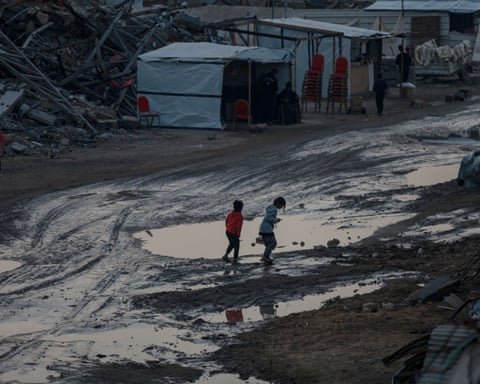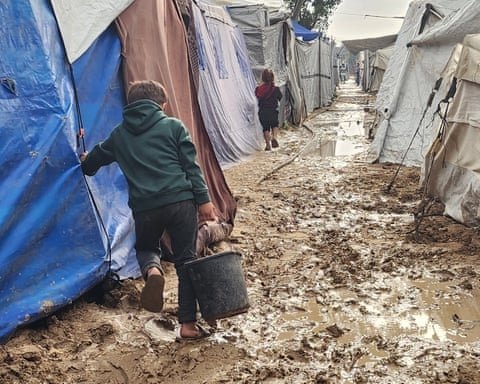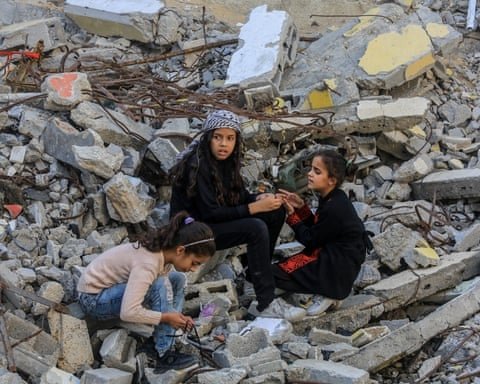

A controversial proposal for Gaza’s reconstruction has drawn sharp criticism from human rights advocates who describe it as a blueprint for mass population transfer disguised as economic development. The leaked document outlines a vision to transform the devastated coastal territory into a series of high-tech cities under international administration.
The plan calls for relocating Gaza’s entire population of approximately two million people, offering landowners digital tokens in exchange for property rights. Those remaining would be housed in compact residential units measuring just over 300 square feet. The proposal suggests placing the territory under external control for at least ten years while construction proceeds.
Human rights organizations have condemned the scheme as potentially constituting serious violations of international law. Legal experts warn that forcible population transfer could amount to war crimes and crimes against humanity. The proposal makes no provision for Palestinian sovereignty, instead suggesting continued security oversight by neighboring powers.
The document appears tailored to appeal to certain international business figures and political leaders, featuring naming conventions that reference prominent global personalities. Its architectural vision includes waterfront developments and technology parks, drawing comparisons to other ambitious regional projects.
Financial planning for the proposal was reportedly conducted without proper authorization from the consulting firm involved, leading to disciplinary actions against senior staff. Critics note the plan’s apparent disregard for Gaza’s political realities and the challenges of reconstruction in an active conflict zone.
The leak comes amid ongoing discussions about Gaza’s future governance, with multiple nations recently moving toward recognizing Palestinian statehood. The proposal has been rejected by Palestinian representatives who maintain that Gaza remains an inseparable part of Palestine.
Legal analysts caution that companies participating in such initiatives could face significant liability under various jurisdictions for involvement in potential international law violations. The plan’s release has intensified debate about acceptable parameters for postwar reconstruction while respecting fundamental human rights principles.