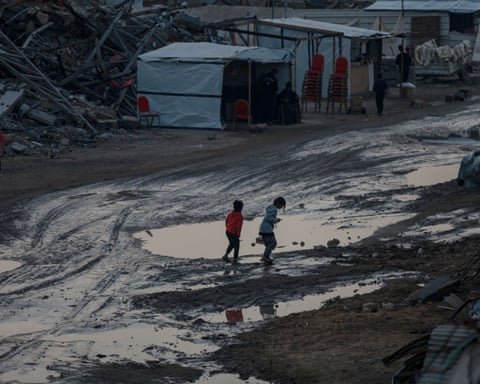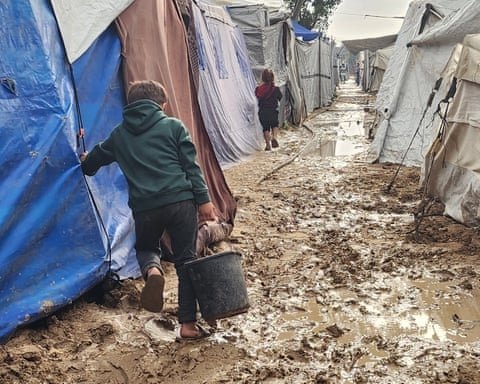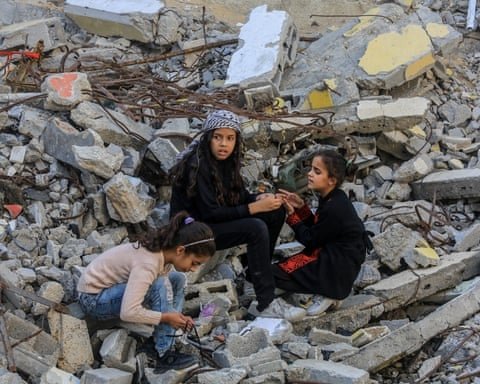
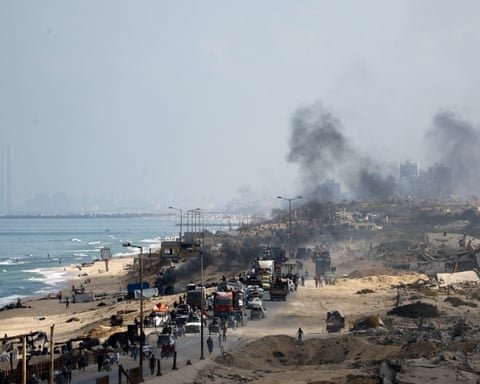
A recent United Nations commission has officially concluded that the military campaign in Gaza meets the legal definition of genocide. This finding adds to a growing consensus among international legal bodies, yet the violence and mass displacement on the ground continue unabated.
From the onset of the conflict, the stated intentions of political leaders, combined with the systematic targeting of civilian infrastructure, homes, and hospitals, pointed toward a deliberate campaign. The vast majority of casualties have been women and children, with populations enduring starvation and a near-total collapse of medical services.
Despite the atrocities being documented in real-time by journalists and human rights organizations, the international response has been marked by inaction. Entities dedicated to gathering evidence of these crimes have themselves been targeted, while officials from international courts have faced threats and sanctions for speaking out.
The central question now is whether the principles of international law retain any power. The Genocide Convention was established not only to punish such crimes but, more importantly, to prevent them. Its failure to halt the violence in Gaza raises profound concerns about the politicization and selective application of global legal standards.
Legal rulings and official declarations are meaningless without enforcement. As more institutions reach the same grave conclusion, tangible action is required. This must include measures like comprehensive arms embargoes on the parties involved. The credibility of the international legal system itself is now at stake, its future hinging on the world’s willingness to act decisively and uphold its foundational principles.