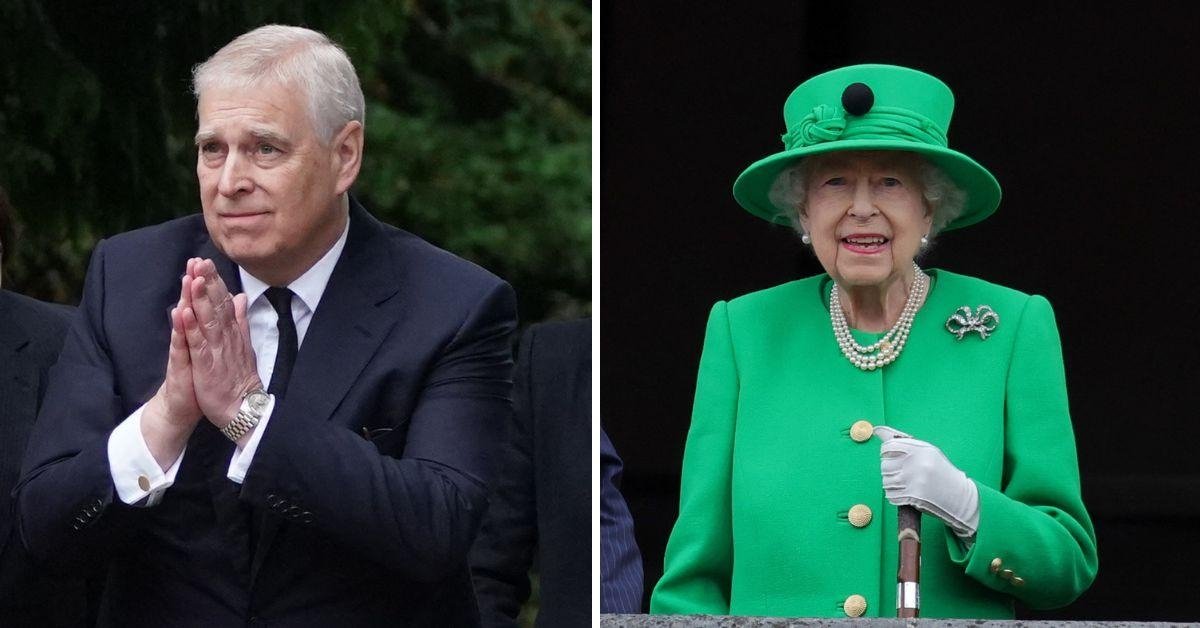
Recent disclosures have brought to light previously undisclosed activities involving a former senior member of the British royal family, with sources indicating that palace staff were aware of and documented regular unauthorized visits by paid companions to the royal residence over an extended period.
According to historical accounts, these activities were reportedly known to the highest levels of the household but were systematically overlooked. A royal historian familiar with internal palace operations noted that complaints from staff members were routinely dismissed, with those raising concerns facing potential termination.
The situation has gained renewed attention following the individual’s removal from official royal duties and titles. With the protective shield of royal status now withdrawn, legal experts suggest the former royal faces increased vulnerability to potential legal proceedings.
Sources close to the matter indicate that individuals previously employed within royal and government circles are now coming forward with additional information, feeling less constrained about speaking publicly given the changed circumstances.
The developments occur against the backdrop of ongoing international scrutiny regarding the individual’s associations with controversial figures. Legal analysts observe that while the path to formal charges remains complex, the removal of royal protections has significantly altered the legal landscape.
Public sentiment appears to be playing a role in the evolving situation, with commentators noting growing pressure for accountability regarding past conduct. The changing dynamic suggests that previous barriers to legal action may no longer provide the same degree of insulation from potential consequences.