A significant portion of Florida’s labor force with criminal histories is channeled into temporary staffing positions, creating a cycle of financial instability and limited workplace protections, a recent study reveals.
Individuals re-entering society from prison frequently describe a system where temporary agencies become the primary, and often only, employment pathway. This reliance on temp work leaves many feeling undervalued and trapped in roles that offer lower pay and frequently lack essential benefits like health insurance.
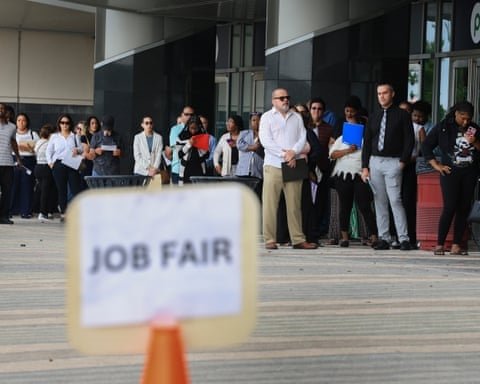
Research indicates that in southern Florida, over 70% of returning citizens utilize a temp agency for work within three years of their release. More than half are unable to secure a full-time job paying minimum wage in their first year back. These agencies fill a critical gap, as they are often the sole employers willing to hire people with records and can accommodate the rigid schedules demanded by parole, probation, and court-mandated appointments.
The economic impact is stark. The report details that temporary workers in construction earn nearly $6.50 less per hour than their directly-hired counterparts, while those in warehouses see a pay gap of over $3 per hour. This translates to annual income losses exceeding $13,000 and $7,000, respectively.
One worker, who had previously held a management role, explained the predicament: “After my release, my probation required a paycheck and I had court fees. With my record blocking better opportunities, I ended up in construction through a temp pool—work I had no experience in.”
Another individual reported working for the same company as a temp for nine years, performing identical duties to permanent staff but never being offered a stable position, benefits, or job security.
Beyond the financial disadvantages, temporary workers face heightened risks. Previous surveys have found that nearly a quarter report wage theft, and a significant number cover their own healthcare costs or face retaliation for raising workplace concerns.
Advocates are pushing for systemic reforms, including changes to probation rules, stricter oversight of staffing agencies, and expanded access to training and union jobs. They also point to the transient nature of many temp agencies, which frequently open and close, potentially as a tactic to avoid increased insurance premiums following worker complaints.
With over six million Floridians—more than a third of the state’s population—having a criminal record, the issue affects a substantial segment of the workforce, highlighting a critical challenge in the state’s economy.