A new exhibition challenges the pristine ideals of luxury fashion, celebrating garments that are intentionally distressed, stained, and decaying. This is not an exhibition of glamorous gowns behind glass, but a provocative exploration of how contemporary designers use grime to question beauty standards and critique the sanitized nature of modern consumerism.
The show presents over 120 deliberately soiled items from more than 60 designers, tracing a path from punk and grunge to today’s catwalks. The concept of dirt is explored through three lenses: environmental, bodily, and the meticulous fakery of besmirching a garment before it ever leaves the atelier. The decay on display comes from natural processes, deliberate destruction, and artistic intervention.
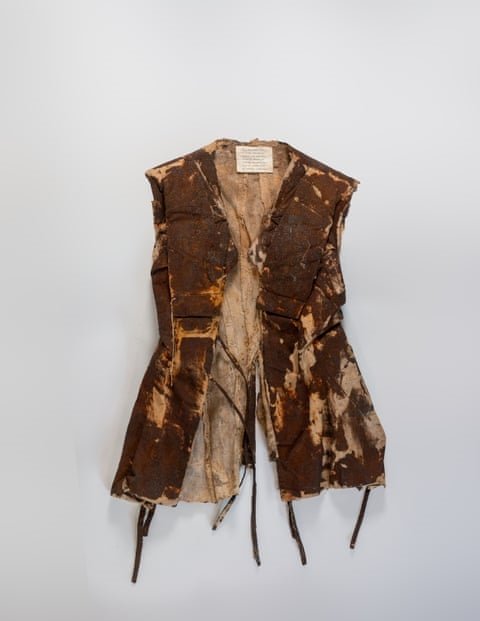
Some pieces are historical touchstones, like a tattered collection from a 1993 graduate show, where the designer buried the clothes in a garden to accelerate their ruin. These fragile artifacts, never meant to be sold or worn, stand as a powerful statement against disposable fashion culture. Other items, such as a pair of paint-splattered jeans from the late 1990s, now seem almost classic in an era accustomed to pre-torn denim.
The exhibition highlights the complex artistry behind creating the appearance of wear and tear. Techniques vary widely, from hand-painting gowns and caking them in mud to simulating bodily fluids. For some designers, dirt is a transgressive act against bourgeois sensibilities; for others, it connects to natural dyeing processes and the physical world.
Standout pieces include a dress crafted from a royal horse’s hair and a blackened, preserved bridal gown that evokes a timeless, ghostly elegance. A section dedicated to bodily fluids features jeans with simulated urine stains, while a pigeon-shaped clutch bag transforms a common urban pest into a luxury accessory.
The underlying theme is a perverse joy in decomposition. One couture gown, already aged, has been further altered by an artist who incorporated her own sweat into the fabric. The curatorial stance suggests that these stains and tears are not flaws, but proof of a life lived—an authentic alternative to the sterile, mass-produced garments that dominate the fashion landscape. Here, the most decomposed item is often the most treasured.