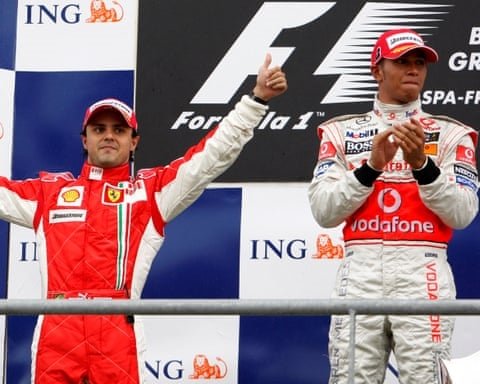
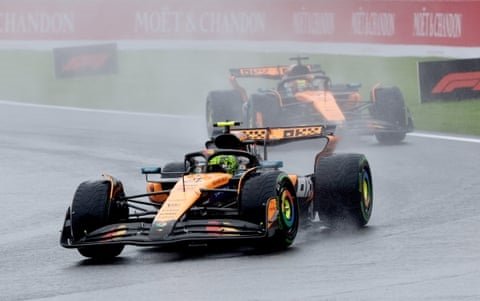
The Belgian Grand Prix at Spa-Francorchamps once again found itself at the center of a debate over safety versus spectacle after a significant delay to the start of the race due to wet conditions. The event, ultimately won by McLaren’s Oscar Piastri, proceeded only after officials waited for the weather to improve.
While the unpredictable Ardennes climate is a well-known characteristic of the historic circuit, the primary issue was not the standing water on the track itself. The current generation of Formula One cars, with their ground-effect aerodynamics designed to improve racing, create an immense spray plume. This wall of water is thrown high into the air and then settles directly onto the cars behind, severely compromising driver visibility.
This has become a recurring theme in modern F1. The limiting factor in wet conditions is increasingly not a lack of grip from the tires, but the inability for drivers to see through the spray. This reality has made the full wet tire almost obsolete, as conditions severe enough to require it would likely be deemed too dangerous for racing to commence at all.
The decision to delay the start proved divisive in the paddock. Some drivers, including Max Verstappen, expressed concern that classic wet-weather racing is being lost to excessive caution. Others, however, strongly supported the call. George Russell labeled a timely start as “stupidity,” a sentiment shared by drivers like Charles Leclerc and Fernando Alonso, who emphasized the importance of safety, particularly at a circuit with Spa’s formidable and tragic history.
The incident underscores a central conflict for the sport. Wet races are often celebrated for their unpredictability and for testing driver skill over pure car performance. While the choice to prioritize safety at Spa appears to have been the correct one, it serves as a clear signal to the sport’s governing body. As Formula One looks ahead to new technical regulations, finding a solution that enables racing in the rain without compromising driver safety remains a critical and unresolved challenge.