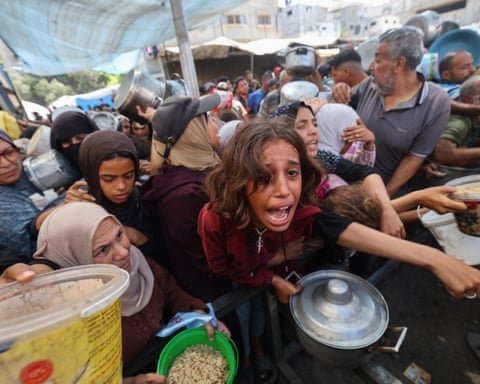
For decades, the European Union has faced internal divisions over the formal recognition of a Palestinian state, a diplomatic impasse that continues to undermine its influence in Middle Eastern peace efforts. Despite repeated declarations spanning over 45 years in support of Palestinian self-determination, the bloc remains unable to formulate a unified response, even amid severe humanitarian crises.
Recent criticisms from within Europe highlight this paralysis. Spain’s prime minister has openly described the European response to the Gaza conflict as a failure. Separately, Slovenia’s president has characterized Israeli policies in stark terms and questioned the tolerance of widespread displacement and destruction. In a significant move, hundreds of former EU diplomats recently expressed profound disappointment in a letter, condemning the lack of substantive EU action to pressure Israel.
A growing number of individual European nations are now acting independently. France, Belgium, Luxembourg, and Malta have recently announced their intentions to recognize Palestine, joining countries like Ireland, Spain, and Norway, which did so earlier. These decisions are often politically fraught; Belgium’s recognition, for instance, was a compromise that will only be formalized after the release of all hostages held by Hamas.
This patchwork of national stances reveals deep political rifts. While some central and eastern European nations recognized Palestine as far back as 1988, others, like the Czech Republic, maintain that they will not offer unilateral recognition. The issue has proven destabilizing, contributing to government crises and ministerial resignations in countries like the Netherlands, and creating public splits between heads of state in Finland.
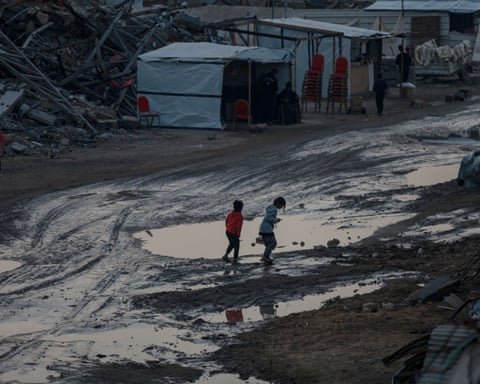
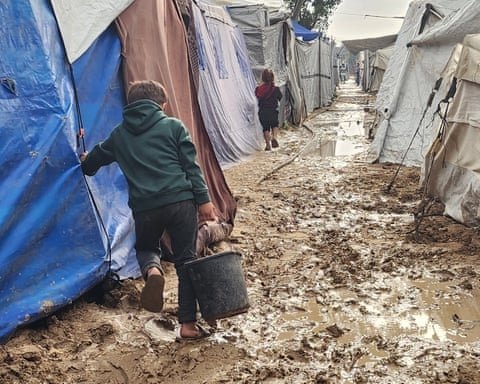
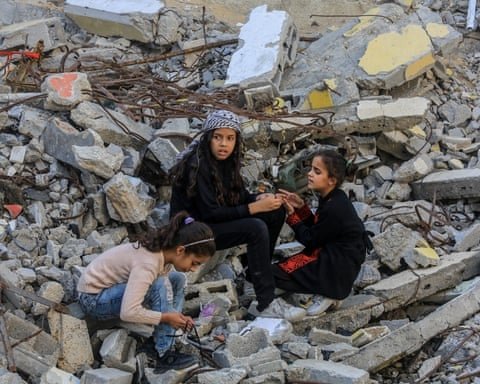
Analysts warn that recognition alone is an insufficient gesture without accompanying pressure on Israel. They argue that ongoing military actions in Gaza and the expansion of settlements in the West Bank are physically eroding the possibility of a two-state solution.
To date, the EU as a collective has not imposed meaningful sanctions on Israel. A proposal for a partial suspension from an EU research program failed to gain the necessary support, opposed by member states including Germany and Italy. With a unified EU response stalled, some former officials suggest that individual member states may need to form alliances with nations in the global south to exert any meaningful influence on the situation.