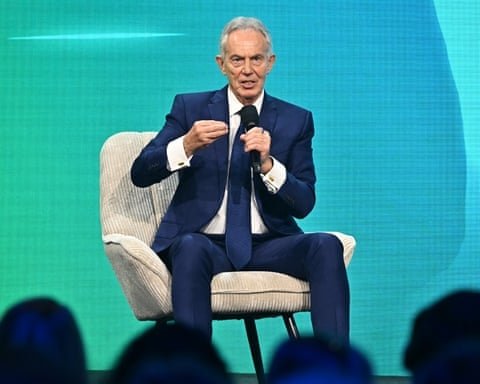
Tony Blair is reportedly being considered for a key position in postwar Gaza planning as part of Donald Trump’s proposed Middle East initiatives. However, analysts are expressing significant concerns about the former British prime minister’s suitability for such a role, pointing to his controversial track record in the region.
Blair’s potential appointment comes as he positions himself as an international mediator. While his involvement in Northern Ireland’s peace process is frequently cited, his Middle East credentials face more scrutiny. His previous role as envoy for the Middle East Quartet received mixed reviews, with Palestinian officials often viewing him as an obstacle to their political aspirations.
During his tenure with the Quartet, Blair’s approach emphasized economic development while avoiding substantive political engagement. This strategy drew criticism from Palestinian representatives who argued it failed to address core issues of self-determination. His stance following Hamas’s 2006 electoral victory—supporting an international boycott of the group—is seen by many analysts as having contributed to subsequent tensions.
Current skepticism focuses on what some observers identify as fundamental flaws in Blair’s approach to the region. Critics note his tendency to prioritize counterterrorism concerns above other considerations and his history of aligning with authoritarian governments in the region.
Regional experts warn that any plan associated with Blair would likely face two critical challenges: an overemphasis on economic solutions without corresponding political progress, and Israeli government approval that might ultimately undermine implementation through incremental obstruction.
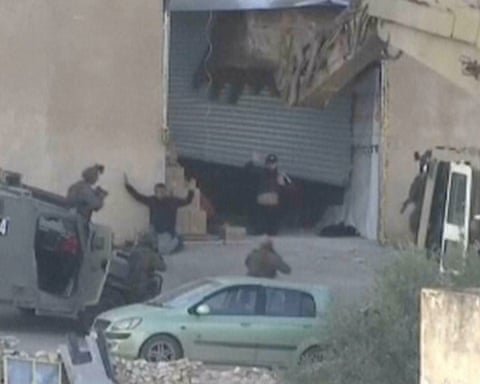
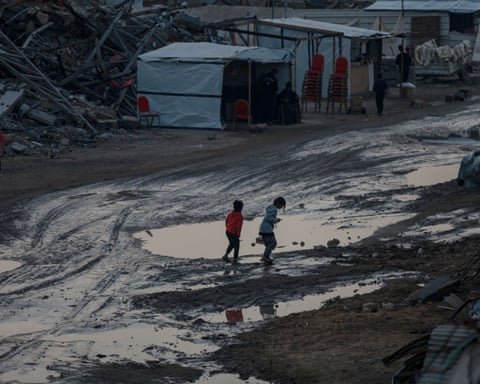
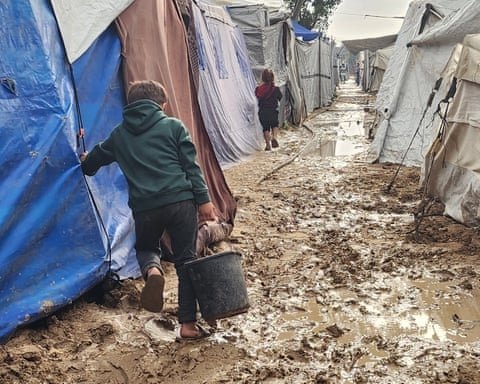
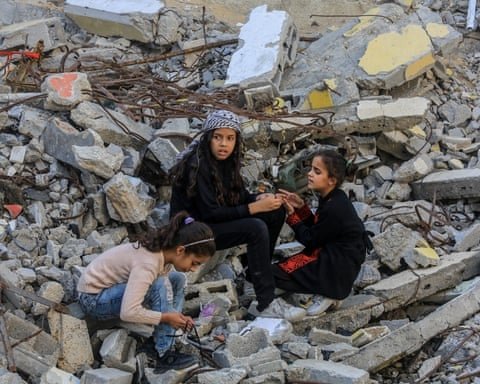
The proposed involvement comes amid ongoing devastation in Gaza, raising questions about whether Blair’s vision aligns with current realities on the ground. With the conflict having caused massive destruction and loss of life, analysts question whether approaches that previously yielded limited results can address the territory’s dramatically changed circumstances.