A surge of violent attacks targeting LGBTQ+ individuals in Ghana is being facilitated through popular dating and social media applications. Criminals are systematically using these platforms to lure victims into dangerous situations under false pretenses.
One victim, a 25-year-old chef, described a harrowing ordeal after agreeing to meet a man she connected with on a dating app. Instead of a date, she was led to a secluded location, locked in a room, and subjected to a three-hour assault by multiple attackers who filmed the incident. They stole her belongings and threatened to expose her identity to authorities and her personal contacts.
This case is not isolated. Humanitarian groups report a dramatic increase in such incidents, with hundreds of LGBTQ+ Ghanaians, primarily gay men, bisexual men, and transgender women, being targeted. The assailants, often operating in organized groups, pose as potential romantic partners online to arrange meetings where victims are then robbed, blackmailed, and physically assaulted.
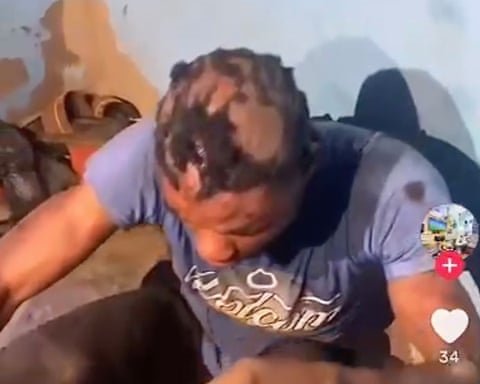
A common and particularly cruel tactic involves recording the attacks. These videos, which sometimes include forced confessions or humiliating acts, are used to blackmail the victims and are also shared online to gain notoriety. The digital footprint of these crimes can incite further violence.
The hostile environment has been exacerbated by recent political discourse. A controversial bill concerning family values, which proposed harsher penalties for LGBTQ+ activities, was debated in parliament last year. While not yet signed into law, activists say the very public discussion of the legislation has emboldened perpetrators and intensified a climate of intolerance.
Reported cases of attacks tripled in 2024 compared to the previous year, and the numbers continue to climb in 2025. However, these figures are believed to represent only a fraction of the actual incidents, as many victims are too fearful of stigma or police retaliation to come forward.
Survivors and advocates report that law enforcement often responds with indifference or, in some cases, further intimidation and extortion, leaving the community with little recourse.
The most frequent platforms used by these criminal networks include major social media and dating apps, which are valued for their anonymity. In one recent and highly publicized case, a video of a brutal attack on a teenage boy was widely disseminated on a social media platform. The audio from the assault was then repurposed by users into a viral trend, which appeared to inspire copycat attacks.
Despite community standards that prohibit such content, the hate campaigns persist on these digital platforms, turning tools for connection into instruments of predation for a vulnerable community.