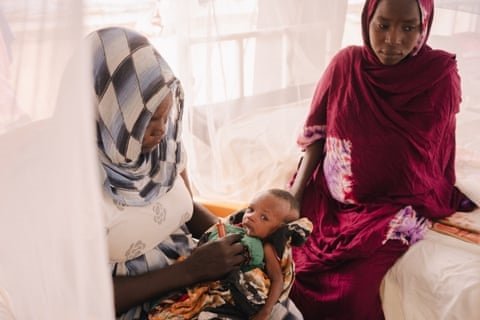
A severe humanitarian emergency is unfolding in the desert camps of eastern Chad, where hundreds of thousands of Sudanese refugees, the vast majority of whom are women and children, face extreme hardship. The conditions in these isolated settlements are exacerbating health crises, particularly for pregnant women and young children.
The journey to medical care is often perilous. Expectant mothers must endure agonizing trips across rough, flood-prone terrain to reach the few available hospitals. Medical staff report that nearly every case they handle is a critical emergency, with many patients arriving after traveling for hours on foot or by donkey cart. Malnutrition, which is increasingly widespread, further complicates pregnancies and leads to life-threatening conditions.
Within the camps, daily survival is a struggle. Families subsist on minimal rations of sorghum, oil, and salt, distributed every two months. Access to water is severely limited, and the task of gathering firewood requires hours of walking. The lack of nutritious food has caused a sharp rise in malnutrition, with hospital wards overflowing with severely undernourished children receiving emergency treatment.
The social fabric has been torn apart by the conflict. Most men of working age have either remained in Sudan, been lost to the violence, or have departed the camps in search of employment elsewhere. This has left women alone to care for children and elderly relatives in an environment with no livelihood opportunities. Some attempt to earn small amounts by selling handmade goods or working for local farmers, often facing exploitation.
The situation is compounded by significant cuts to international aid. Humanitarian agencies have warned that reduced funding is forcing them to scale back essential food and education programs, leaving vulnerable populations with even less support. For the refugees, the prospect of returning home remains distant, as the conflict in Sudan’s Darfur region continues unabated.
Amid the bleakness, small acts of resilience offer glimmers of hope. Some refugees cultivate small gardens, nurturing plants from cuttings to create spaces of beauty that provide a temporary mental escape from their circumstances. However, these moments are fleeting against a backdrop of immense suffering and an uncertain future.