The bond between Black liberation movements and Palestinian resistance represents one of the most enduring political alliances of the modern era. This solidarity, rooted in shared experiences of systemic oppression, has been powerfully articulated for generations.
Nelson Mandela famously declared that freedom for his people remained incomplete without Palestinian liberation. This sentiment reflects a deep-seated connection that has consistently manifested across continents and decades.
Historical Foundations
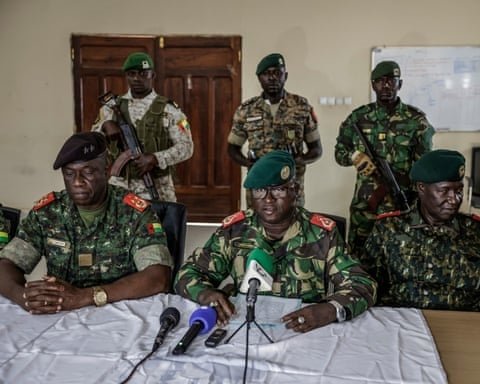
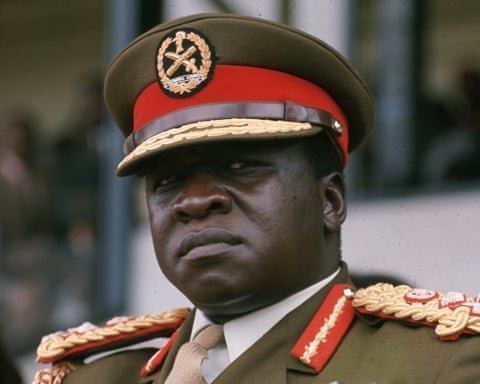
The relationship’s origins trace back to post-colonial Africa, where newly independent nations quickly recognized Palestinian statehood. Of the initial countries acknowledging Palestine’s 1988 declaration, nearly half were African or Caribbean states. This early support emerged from recognizing parallel struggles against colonial structures.
Visionary African leaders like Thomas Sankara explicitly linked Palestinian suffering to broader global justice movements. Meanwhile, Black activist Stokely Carmichael conceptualized Palestine as “the tip of Africa,” geographically distant but politically connected.
Shifting Alliances
Israel initially cultivated relationships across Africa during the 1950s and 60s, presenting itself as another young nation overcoming colonial history. However, the 1967 and 1973 conflicts dramatically altered perceptions. As Palestinian displacement intensified and occupation expanded, Israel became increasingly associated with oppressive systems rather than liberation movements.
By 1975, the Organization of African Unity formally connected Israeli policies with apartheid regimes in Southern Africa, noting their “common imperialist origin” and shared repression tactics.
Contemporary Connections
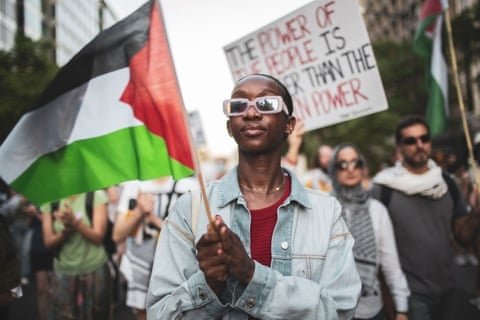
This solidarity has evolved with each generation’s freedom struggles. The Black Lives Matter movement incorporated Palestinian liberation into its platform years before its 2020 global surge. Organizers explicitly linked experiences with police brutality, colonization, and systemic discrimination.
During a 2021 protest, Black Lives Matter activist Zellie Thomas articulated this connection: “We know occupation. We know colonization, we know police brutality.” This reflects how political solidarity has become personal identification.
Legal and Cultural Fronts
South Africa’s genocide case against Israel at the International Court of Justice represents the most formal expression of this solidarity. Having endured apartheid themselves, South Africans positioned themselves as uniquely qualified to identify and challenge similar systems elsewhere.
In cultural spheres, prominent writers like Ta-Nehisi Coates have drawn direct comparisons between Palestinian territories and Jim Crow-era American South, noting the disconnect between democratic claims and systematic disenfranchisement.
The delayed recognition of Palestinian statehood by Western governments may reflect this fundamental disconnect. True solidarity emerges not from political calculation but from recognizing shared struggles and common humanity across different contexts of oppression.