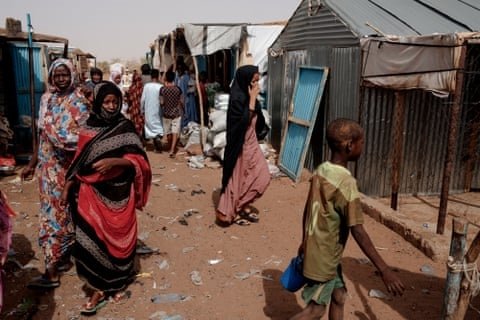
Life for more than 120,000 refugees in southeastern Mauritania is defined by scarcity. At the sprawling Mbera camp, a single daily meal of plain rice, occasionally mixed with a few legumes, is the reality for many children attending the camp’s schools. This limited sustenance underscores a deepening crisis as international aid faces severe reductions.
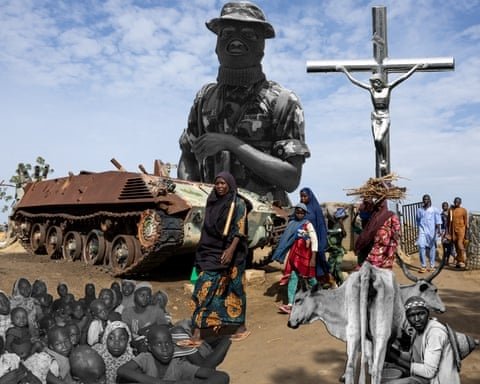
The camp, situated near the border with Mali, has swelled far beyond its initial capacity. It now stands as one of the most populous settlements in the country. A steady stream of new arrivals continues, with families fleeing persistent violence and instability in their homeland. More than half of the camp’s inhabitants are minors, with many children having been born within the camp’s confines and knowing no other life.
Aid officials report that funding cuts have forced difficult decisions. Nutritional programs specifically designed for malnourished children and mothers have been halted. General food and cash assistance, once reaching nearly 90,000 individuals monthly, now supports only about 53,000. The focus has narrowed to supporting only the most vulnerable households.
Despite the challenges, a semblance of community life persists. The settlement boasts its own market, schools, and even a bank. Volunteer groups have emerged to address local needs; one organization manages crop cultivation and operates a fire brigade to combat brush fires in the surrounding desert, while a women’s network provides care and promotes education for girls. These groups consistently report that their efforts are hampered by a critical lack of materials and financial support.
For long-term residents, the dependency on humanitarian aid is a source of pain. Many express profound gratitude for the safety provided by their host country and aid organizations, but they speak of a deep yearning to return home, to work with their own hands, and to live with a sense of dignity and self-reliance. The current reality, however, leaves them waiting, with their daily sustenance hanging by a thread.