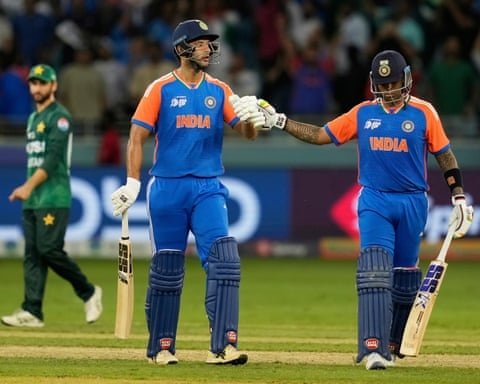
The longstanding tradition of sportsmanship between India and Pakistan’s cricket teams appears to be deteriorating, as evidenced by a recent incident following their Asia Cup encounter. After securing victory, the Indian team departed the field without participating in the customary post-match handshake with their Pakistani counterparts.
This development occurs against a backdrop of heightened diplomatic friction between the neighboring nations. Recent months have seen escalated military exchanges and allegations of cross-border militant activity, creating an atmosphere that has now permeated the sporting arena.
The Indian team captain characterized the decision to forgo the traditional handshake as a collective team determination, dedicating their victory to national security forces. Meanwhile, Pakistani officials expressed disappointment at what they described as a breach of sporting protocol, with their team captain notably absent from post-match ceremonies.
The incident prompted formal complaints to cricket’s international governing body and threats of tournament withdrawal, though match officials later attributed the situation to communication misunderstandings. Both teams are scheduled to meet again in the tournament’s subsequent stage, raising questions about future interactions.
Historically, cricket has served as a rare bridge between the two nations, with past leaders explicitly using the sport as diplomatic outreach. However, observers note that recent years have witnessed increasing politicization of sporting engagements, with current administrations in both countries appearing to leverage athletic competitions for nationalistic purposes.
Cricket analysts suggest this episode represents a significant departure from earlier eras when the sport maintained its autonomy from political tensions. The current climate, they note, has transformed cricket grounds into extensions of geopolitical disputes rather than sanctuaries from them.
With both nations governed by administrations that frequently emphasize nationalist agendas, and with cricket administration increasingly intertwined with political leadership in both countries, the prospects for reviving the traditional sporting camaraderie appear dim in the immediate future. The incident signals a worrying trend where athletic competitions become proxy battles for deeper political conflicts.