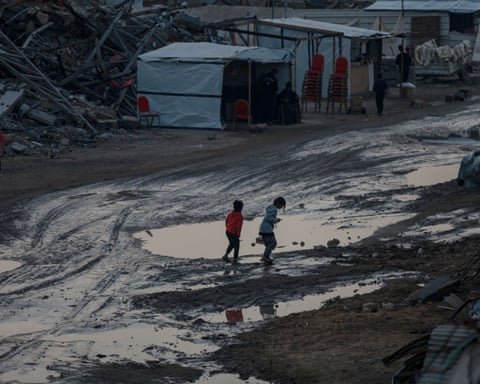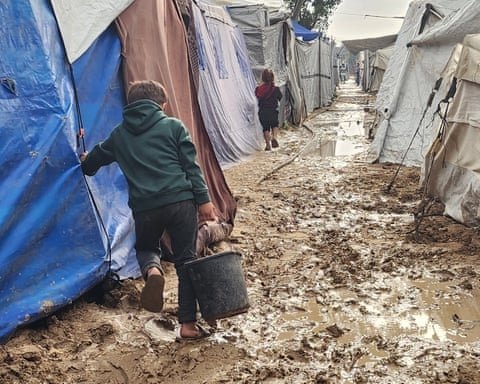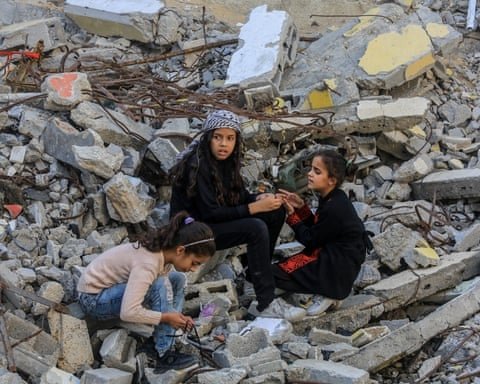
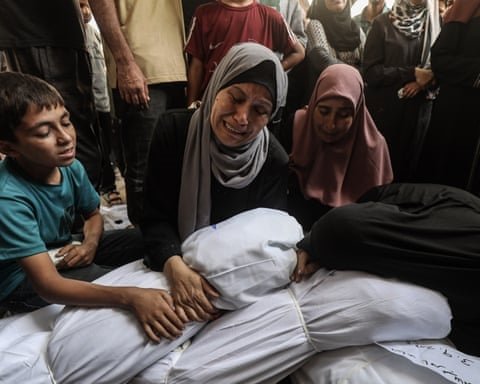
An overwhelming majority of Palestinians killed during recent military operations in Gaza have been non-combatants, according to findings from an independent conflict monitoring organization. The data reveals approximately 15 out of every 16 fatalities have been civilians since hostilities resumed in March.
The report from the Armed Conflict Location and Event Data project indicates one of the highest civilian casualty rates documented throughout the conflict. These findings emerge as military advances continue in populated areas, displacing up to a million residents and raising concerns about further civilian harm.
Researchers documented casualties over a six-month period using multiple sources including military statements, reliable media reports, and local accounts. Their analysis suggests approximately 1,100 combatant deaths since March, significantly lower than official military claims of over 2,100 militants eliminated. This tally includes political figures alongside armed fighters from various groups.
United Nations statistics indicate more than 16,000 Palestinian deaths have occurred since the collapse of a two-month ceasefire in March. Previous internal military assessments had indicated civilian casualties represented 83% of total fatalities during earlier phases of the conflict.
The report also notes a sharp increase in building demolitions since March, with 500 incidents recorded in six months compared to 698 over the preceding 15-month period. Many demolition events involved multiple structures.
Military officials have acknowledged challenges in balancing civilian protection with operational demands in dense urban environments. Current operations represent a significant departure from previous conflict approaches, with forces implementing what they describe as unprecedented measures.
According to the data, airstrikes have eliminated at least 40 commanders and key operatives from Hamas’s military wing since March. Only one senior official from the pre-war military council remains in command position.
The conflict monitoring organization’s senior Middle East analyst noted that Hamas’s military capabilities have been significantly degraded, with the group now focused on preservation rather than military victory. Monthly engagement numbers have dropped sharply since the ceasefire ended, with militants increasingly relying on improvised explosive devices and booby-trapped structures.
Recent incidents include four soldiers killed by a roadside bomb this week, bringing military fatalities to 54 since March. Hamas presence is now largely confined to specific urban areas, though small cells operate across the territory.
The broader conflict has resulted in more than 65,000 deaths and 160,000 injuries since October 2023, with extensive infrastructure damage affecting nearly 90% of homes. Health services have collapsed, and UN-backed monitors recently declared famine conditions in northern regions.
The conflict began with an incursion into Israel that resulted in 1,200 deaths and the capture of over 250 hostages. Approximately 50 hostages remain in Gaza, though fewer than half are believed to be alive.
Regarding humanitarian aid distribution, the report found no evidence of systematic diversion by Hamas, though some assistance from smaller NGOs may have been redirected. The organization noted that chaotic conditions surrounding aid distribution and increased looting create an environment where some diversion remains possible.
With complete elimination of Hamas appearing unlikely, the current strategy appears focused on long-term control through degrading military capabilities while blocking alternative governance structures and creating conditions that may encourage population displacement.