A preventable disease from another era is staging a deadly comeback across the globe. Cholera, once largely confined to history books in wealthy nations, has now been reported in 32 countries, claiming more than 6,800 lives this year alone. This year’s death toll has already surpassed last year’s total of 6,000 fatalities, which itself represented a 50% increase from 2023.
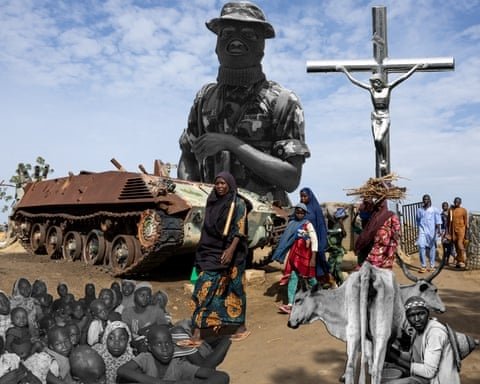
The crisis is hitting Africa hardest, where conflict, displacement, and climate-related disasters create ideal conditions for the waterborne disease to spread. Cholera thrives where safe drinking water and proper sanitation are lacking, making it a clear indicator of inequality and poverty.
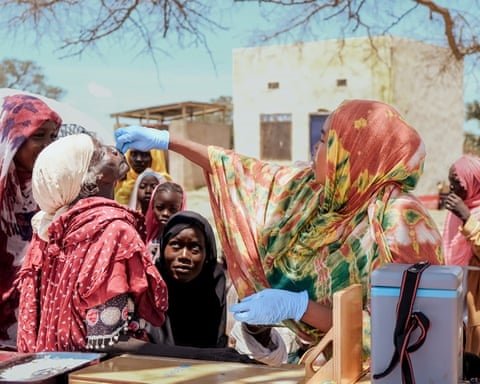
While the disease can be prevented with vaccines, global production cannot keep pace with demand. Currently, only one manufacturer produces cholera vaccines at the scale needed for mass vaccination campaigns. A global stockpile established in 2013 has distributed nearly 255 million doses to 34 countries, with three-quarters of those shipments occurring since 2021 as outbreaks intensified.
The supply shortage has forced health authorities to adopt temporary measures, including switching from a two-dose to single-dose vaccination regimen. While this stretches available supplies, protection from a single dose diminishes more quickly.
Recent developments offer some hope. Zambia has signed an agreement to establish a cholera vaccine production facility, representing a step toward expanding manufacturing capacity in Africa. However, any new production will require rigorous testing and regulatory approval before vaccines can be deployed.
Health experts emphasize that while expanding vaccine production is crucial for outbreak control, the ultimate solution lies in governments investing in safe water and sanitation infrastructure. Cholera persists not because of scientific limitations, but because the political will to address its root causes remains insufficient. The disease continues to claim lives in communities affected by poverty, conflict, and inequality, highlighting that defeating cholera is ultimately a political challenge rather than a medical one.