Beijing has cautioned Papua New Guinea against entering into defense arrangements that could limit its international partnerships, following unsuccessful negotiations between Papua New Guinea and Australia to finalize a mutual defense agreement.
In an official statement, Chinese representatives emphasized respect for Papua New Guinea’s sovereign rights to establish bilateral agreements while warning against exclusive arrangements that might restrict cooperation with other nations. The statement urged Papua New Guinea to maintain its independent foreign policy and carefully consider matters affecting its long-term national interests.
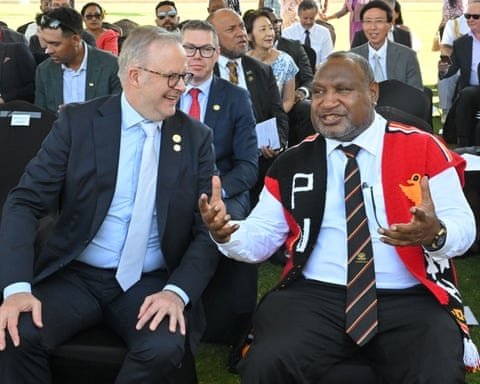
The diplomatic communication comes after Australian leaders concluded recent talks without securing a defense treaty that had been anticipated for formal approval. Both governments acknowledged that additional internal processes were required before any agreement could be finalized. The proposed arrangement would have established joint defense commitments between the two nations and permitted cross-service in each other’s military forces.
Within Papua New Guinea, significant concerns have emerged among political and military figures regarding the potential implications of such an agreement. Opposition leaders have stressed the importance of maintaining constitutional authority and independent decision-making capacity, welcoming defense cooperation but insisting on safeguards to protect national sovereignty.
Former military commanders have voiced stronger reservations, with some describing the proposed treaty as conflicting with constitutional principles and the nation’s traditional foreign policy of non-alignment. These officials highlighted Papua New Guinea’s strategic position in the Pacific region and cautioned against becoming entangled in major power rivalries.
Multiple retired defense leaders have advocated for alternative approaches to security cooperation that would strengthen military capabilities without compromising Papua New Guinea’s autonomy or its freedom to engage with international partners. They emphasized the importance of public consultation and transparency regarding any defense arrangements that could significantly impact the nation’s foreign policy direction.