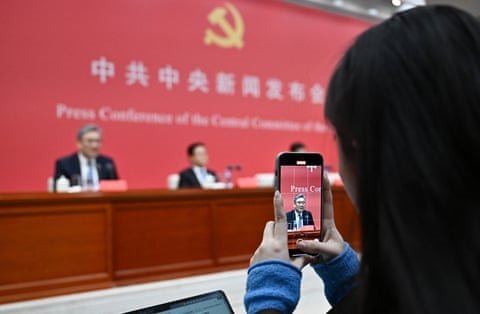
Beijing has concluded a pivotal political session, setting the stage for a new national development strategy. The gathering outlined priorities for the coming years, focusing heavily on technological advancement while addressing persistent domestic issues.
Technology investment has been significantly accelerated, with artificial intelligence emerging as a cornerstone of future development plans. The science and technology minister reported substantial progress in AI, emphasizing that computational capabilities will remain a central focus moving forward. Officials highlighted the need for strengthened regulatory frameworks and ethical guidelines to govern these rapidly evolving technologies.
For the first time, the space sector has been designated as a top national priority, with ambitions to establish the country as a leading space power within five years. Nuclear fusion and other high-tech industries were also promised substantial development resources.
Internationally, officials acknowledged a challenging global landscape but advocated for continued dialogue with the United States rather than confrontation. This comes ahead of scheduled talks between Chinese and American leaders, where trade matters are expected to feature prominently.
Domestically, the government continues to grapple with demographic pressures. Efforts to create a more supportive environment for families will persist, including making childcare and education more accessible. Simultaneously, authorities plan gradual retirement age increases and enhanced elderly care services to address the economic implications of an aging population.
The healthcare system, while praised for its achievements, requires more balanced distribution of resources, according to health officials.
Economic challenges remain substantial, including high youth unemployment and difficulties in key sectors such as housing and electric vehicles. Officials pledged to address excessive internal competition that has led to damaging price wars and oversupply issues. Creating a more unified national market, stimulating regional economies, and managing local government debt were identified as key priorities.
The meeting’s attendance figures revealed notable absences, particularly among military representatives, amid an ongoing anti-corruption campaign. Recent personnel changes in military leadership positions signal the continued intensity of these disciplinary efforts.