Faced with mountains of unsellable donations, charity shops across the country are pioneering inventive strategies to keep clothing in circulation and out of landfill. These initiatives are transforming the traditional charity shop into a vibrant hub for sustainable fashion.
One of the most visible innovations is the charity fashion show. These events, far from the exclusive runways of high fashion, feature volunteers as models and exclusively showcase secondhand stock, often available for immediate purchase. This “buy from the catwalk” model is being adopted by major charities, with shows being staged everywhere from festival fields to donation centres.
The creativity extends far beyond the runway. Many shops are now overdyeing stained items, collaborating with local designers to upcycle damaged garments, and hosting workshops where volunteers transform old t-shirts into tote bags or jeans into purses. This hands-on approach is vital for dealing with the sheer volume of low-quality donations that now dominate collection bins, a problem exacerbated by online resale platforms where individuals “cherry-pick” the best items.
To move less-desirable stock, many charities have introduced mystery bags. These curated packages, themed around specific aesthetics like ‘cottagecore’ or filled with items in a single dress size, have proven highly successful, often boosted by social media influencers sharing their “hauls.”
Recognising that many garments only need minor repairs to be desirable, several major charity retailers have launched dedicated in-store mending services. These initiatives feature rails of discounted, slightly damaged clothing, where for a small donation, trained volunteers will repair items on the spot or provide customers with easy-to-follow guides.
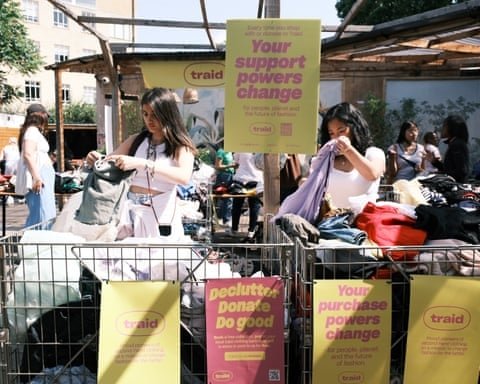
Other popular tactics include kilo sales, where customers pay by weight, and fill-a-bag events. These flash sales move large volumes of stock quickly, though shoppers are advised to come prepared with their own measurements, as changing rooms are often unavailable.
The social element is also being leveraged. Evening “lock-ins” and “secondhand socials” with DJs, workshops, and wine tastings are drawing in new crowds and increasing sales. Furthermore, celebrity donations are no longer a secret, with famous names publicly contributing their own pre-loved items, from everyday clothes to designer pieces, providing a significant boost to fundraising efforts.
This wave of innovation is largely driven by a new, younger workforce within the sector, who are unafraid to challenge old methods. For charity shops, these creative solutions are a financial necessity, generating far more income than selling unsold clothes as industrial rags and avoiding costly landfill fees. While the ultimate responsibility for fashion’s waste crisis lies with producers, these high street heroes are proving that with a little ingenuity, a great deal can be saved.