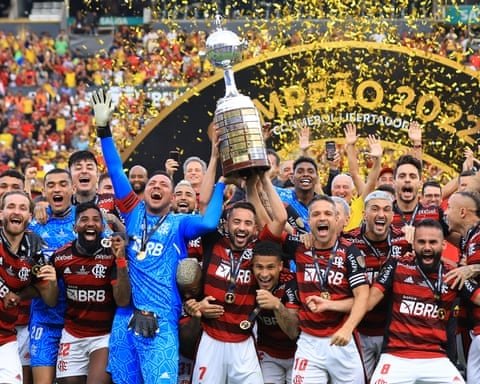
The Copa Libertadores final this weekend will feature a familiar Brazilian pairing, as Palmeiras and Flamengo prepare to battle for South America’s most coveted club trophy. This matchup represents the fifth time in seven years that one of these two clubs will claim the title, underscoring their sustained dominance over the continental competition.
The sustained success of these clubs has fundamentally altered the competitive landscape of South American football. Both institutions now operate with financial resources and sporting expectations that rival European counterparts, creating a new tier of super clubs within the continent.
Beyond continental glory, domestic implications add intrigue to the encounter. Flamengo currently leads Palmeiras in the Brazilian championship with only two matches remaining, having secured victories in both of their previous meetings this season.
The final’s location in Lima, Peru, presents logistical challenges for traveling supporters. Continental football’s governing body maintained the venue despite security concerns and protest activity in the region. The shift to single-match finals at neutral sites has significantly increased costs for fans, with airfare from Brazil proving more expensive than from European destinations.
Palmeiras secured their final appearance through a remarkable comeback, overturning a three-goal deficit against Ecuador’s LDU before delivering a commanding performance against Argentina’s River Plate. The team’s attacking prowess has been spearheaded by the partnership of Vitor Roque and Flaco López, who have combined for 43 goals this season.
The financial strength of Palmeiras was demonstrated through their record-breaking acquisition of Roque, part of a substantial investment program that saw the club spend approximately £100 million on new talent this year. This spending power stems from both commercial success and strategic player development, with the club generating nearly £200 million from academy graduates moving to European clubs.
Under manager Abel Ferreira, Palmeiras has experienced its most successful period, capturing ten trophies in five years. The Portuguese coach has reportedly attracted interest from English clubs but maintains a strong position with his current employers.
Flamengo arrives seeking redemption after narrowly advancing through knockout rounds against Estudiantes and Racing. Manager Filipe Luís, in his first full season, leads a squad featuring several high-profile signings, including record acquisition Samuel Lino from Atlético Madrid.
Despite significant investment in international talent, Uruguayan midfielder Giorgian de Arrascaeta has emerged as Flamengo’s standout performer, contributing 23 goals and 17 assists in his most productive campaign.
The contrasting styles of the finalists promise an intriguing tactical battle. While Palmeiras emphasizes collective organization and mental fortitude, Flamengo boasts technical refinement and squad depth reminiscent of national team selections.
For players on both sides, this final represents a career-defining opportunity that could elevate their standing in the international football landscape.