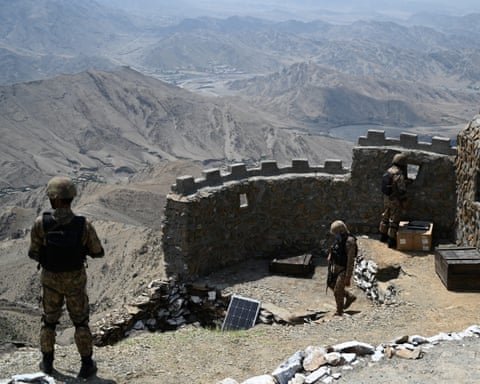
Intense military confrontations have broken out along the Pakistan-Afghanistan frontier, marking a significant deterioration in relations between the neighboring nations. The violence follows a series of retaliatory actions from both sides, with each government accusing the other of aggression and territorial violations.
According to military sources, Afghan forces initiated attacks against Pakistani border positions on Saturday evening, resulting in fierce exchanges of fire. The confrontation reportedly caused substantial casualties on both sides, though official figures from the conflicting parties show significant discrepancies.
The Taliban-led government in Kabul stated its actions were in response to what it described as unauthorized airstrikes by Pakistan on Afghan territory earlier in the week. Meanwhile, Pakistani authorities characterized their military response as necessary self-defense against what they termed terrorist infiltration from across the border.
Pakistan’s military command reported significant losses among their ranks while claiming to have neutralized hundreds of combatants from the Afghan side. The statement emphasized Pakistan’s determination to prevent what it called the use of Afghan territory for planning attacks against its security forces.
The border region between the two countries has long been a source of tension, with Pakistan consistently expressing concerns about militant groups operating from Afghan soil. Security analysts note that relations have become increasingly strained since the Taliban’s return to power in Afghanistan four years ago.
A security expert based in Islamabad described the current situation as the inevitable outcome of mounting frustrations over cross-border security issues. “The persistent refusal to address concerns about militant sanctuaries has brought bilateral relations to this critical point,” the analyst noted.
During diplomatic engagements in New Delhi, Afghanistan’s foreign minister denied allegations of providing sanctuary to militant groups and asserted that border tensions had been contained. He indicated that regional mediators had intervened to prevent further escalation.
International observers monitoring the region expressed concern about the potential for continued violence. A Washington-based regional specialist warned that military actions could provoke additional militant activity, creating a dangerous cycle of retaliation that benefits neither nation.
The nearly 1,600-mile border dividing the two countries remains heavily contested, with Afghanistan historically disputing the current boundary demarcation. This geographical friction point has become increasingly volatile amid rising security concerns and conflicting territorial claims.