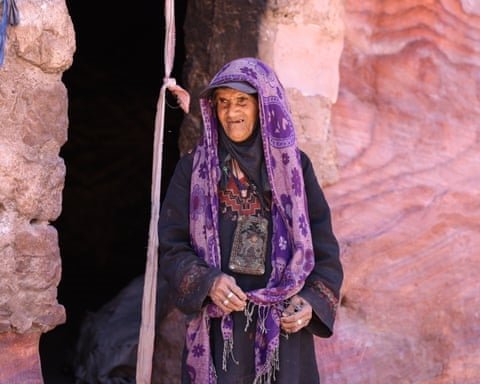
Residents of Petra’s historic caves are confronting forced relocation as Jordanian authorities implement plans to modernize the UNESCO World Heritage site. The Bdoul Bedouin community, whose families have inhabited these ancient structures for generations, now face legal pressure to vacate their homes.
Mohammed Feras, a lifelong cave resident, tends to his goats near the iconic Treasury monument. “This land defines our identity,” he explains from the shaded terrace of his 2,400-year-old dwelling. “Moving into conventional housing would extinguish our way of life.”
Authorities maintain the relocations are necessary to protect Petra’s archaeological integrity. Dr. Fares Braizat of the Petra Development and Tourism Region Authority stated, “Preserving this historical treasure requires ending all activities within the monuments. The law applies equally to everyone.”
The conflict traces back to Petra’s 1985 UNESCO designation, when initial relocations moved thousands of Bedouin to a government-built village. Some families resisted or later returned to their ancestral caves. The current enforcement campaign, intensified since late 2024, targets remaining families around Sutuh al-Nabi Harun mountain.
Residents report facing substantial fines and legal action. Yasin Ahmed, another cave dweller, described receiving court summons and penalties exceeding his means. “They offer cramped housing unsuitable for my large family,” he said. “Our existence here spans centuries – we’re not vandals but guardians.”
The tourism downturn following regional conflicts has compounded economic pressures on the community. Many who previously supported themselves through guiding visitors or selling crafts now struggle to survive.
Elderly resident Rayya Hussein vowed never to abandon her home. “My ancestors are buried in these mountains,” she declared. “I would rather perish here than be confined to a village house.”
While officials promise improved amenities and alternative livelihoods in relocation areas, many Bdoul remain skeptical. “True freedom means open spaces where our children can herd sheep across familiar slopes,” Feras reflected. “Concrete walls cannot contain our connection to this land.”