In a significant international address, Australia’s Prime Minister has cautioned that continued expansion of Israeli settlements in the West Bank threatens to permanently derail prospects for a two-state solution.
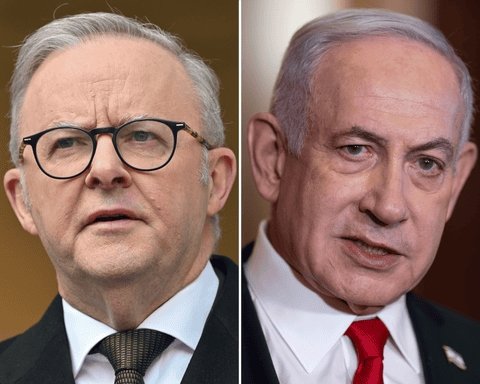
Speaking at a major diplomatic forum in New York, the Australian leader stated that the current trajectory of the conflict has created deep international concern. He specifically identified settlement expansion and associated violence as actions that could make peaceful coexistence impossible.
“The ongoing construction in occupied territories risks putting a negotiated settlement permanently beyond reach,” the Prime Minister told assembled diplomats.
The warning comes amid heightened tensions following coordinated recognition of Palestinian statehood by several nations, including Australia. The Israeli government has reacted strongly to these diplomatic moves, with its leader declaring that “there will be no Palestinian state” and urging international partners to maintain their positions.
Meanwhile, Australia’s political opposition has sought to reassure American allies that the recognition decision lacks bipartisan support domestically. The opposition leader has indicated the policy would be reversed if her party regains government, emphasizing alignment with traditional US positions in the region.
The Australian government has maintained that its Middle East stance, while acknowledging the nation’s limited influence, aims to build momentum toward ceasefire and eventual peace. Officials stress that humanitarian concerns remain paramount, citing the need for unimpeded aid delivery and protection of civilian lives.
International reaction to the diplomatic shifts has been mixed, with some Jewish organizations criticizing the recognition timing as counterproductive to peace efforts. However, supporting nations argue that creating political horizon is essential to breaking the cycle of violence.
The developments occur against a backdrop of shifting global alliances and uncertainty about America’s future foreign policy direction, with world leaders navigating increasingly complex diplomatic terrain.