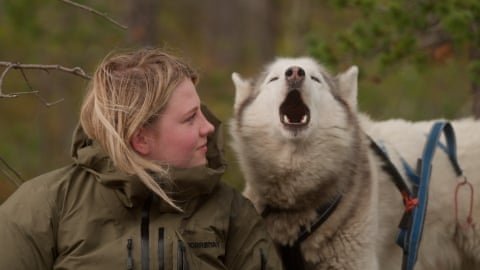
A remote educational program in northern Norway is offering teenagers an unconventional antidote to the anxieties fueled by constant digital connection. Instead of classrooms and exams, students at a unique “folk high school” learn survival skills in the Arctic, trading screen time for sled dogs and sub-zero temperatures.
The program, featured in a new documentary, follows several young adults, including a 19-year-old from southern Norway who describes being consumed by social media and worries about how others perceive her. The immersive experience, located 200 miles above the Arctic Circle, focuses on practical challenges like building a fire in the snow, driving a dog sled, and camping in extreme cold.
Proponents of the model say its value lies in building character and self-reliance, not academic credentials. There are no tests or grades. The philosophy, which has roots in a 19th-century Scandinavian educational movement, prioritizes personal growth and community over measurable outcomes. The approach has spread across Northern Europe, with Norway currently hosting 85 such schools that serve thousands of students annually, though participation often requires a significant financial investment.
The documentary highlights the transformative potential of this environment. One student, an 18-year-old from the Netherlands, is initially frustrated when instructors refuse to let him use their fire, forcing him to light his own. The struggle to achieve self-sufficiency in the wilderness is presented as a pivotal moment that ultimately helps him connect better with his peers.
Instructors at the school explain that their role is not to solve problems for the young people, but to empower them to find solutions themselves. They note that the experience is equally valuable for overconfident students who discover their limitations, as it is for those who lack self-belief.
The future of these schools in Norway is currently a topic of political debate, with government proposals that could reduce their funding and attractiveness to students. Researchers are studying whether this would mean losing a valuable tool for social inclusion, especially for young people struggling with societal trust and isolation.
While the long-term effects are complex, the documentary suggests that a year in the Arctic wilderness can fundamentally shift a young person’s perspective. The line between building resilience and seeking escapism can be fine, but the experience aims to equip students not with digital skills, but with the inner resources to be more grounded and capable human beings.