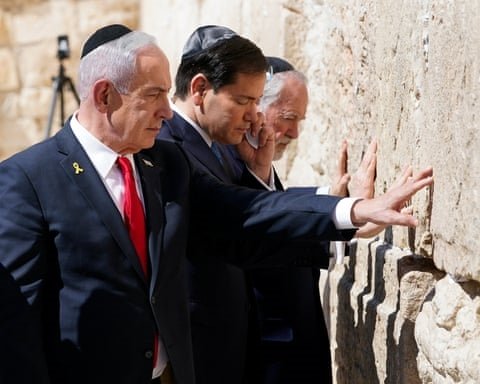
Recent archaeological activities in Jerusalem have drawn scrutiny for their perceived role in political narratives. During a high-level diplomatic visit this month, Israeli officials prominently featured excavations at sites including tunnels beneath Palestinian neighborhoods and areas near the Western Wall. These tours were framed as demonstrations of the city’s ancient Jewish heritage, with leaders emphasizing Jerusalem’s historical significance.
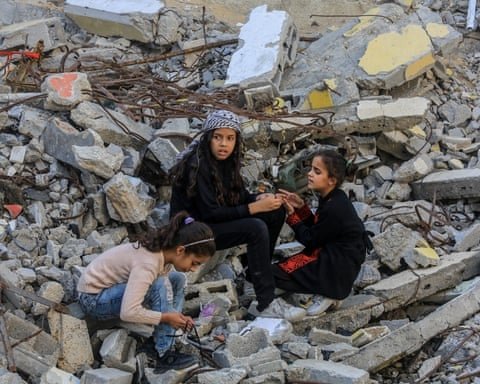
Simultaneously, a major warehouse storing archaeological artifacts in Gaza was destroyed in a military strike, resulting in the loss of decades of research and historical items. Specialists had limited time to evacuate portions of the collection, and many artifacts were damaged or lost during the rushed operation.
Critics argue that certain archaeological projects in Jerusalem are being used to advance political objectives, selectively emphasizing specific historical periods while overlooking others. An independent archaeological organization has raised concerns over methods used in some excavations, including tunneling beneath inhabited areas, which they describe as ethically and scientifically problematic. They also contest interpretations of certain sites, noting that the region’s history is layered and multi-cultural.
The warehouse destruction in Gaza has further alarmed preservationists, who report that numerous cultural heritage sites and artifacts have been damaged since the onset of recent hostilities. Although the military stated it coordinated the removal of some items, specialists say the rescue effort was insufficient, and many significant pieces could not be saved.
These developments highlight how archaeology and cultural heritage are increasingly entangled with geopolitical disputes, raising questions about the preservation of history in a contested region.