A new documentary provides a quiet yet powerful look into the fragile existence of a nomadic herding family in western India. The film captures the daily rhythms of a community whose ancient way of life is under siege from a confluence of modern pressures.
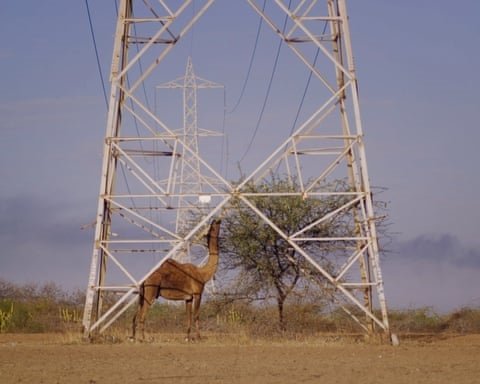
The narrative centers on a herder and his family, who have raised camels on the arid plains for generations. Their days are marked by timeless rituals: baking bread over an open fire and tending to their livestock. These scenes of pastoral life are filmed with an unhurried intimacy, showcasing a deep connection to the land.
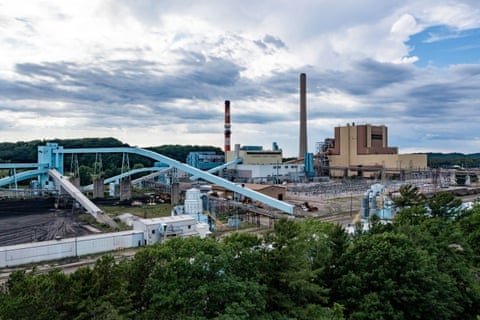
However, that connection is fraying. A severe drought has left the land parched and the family’s animals weakened. The environmental challenges are compounded by industrial encroachment, with wide shots revealing wind farms and factories dotting the horizon, transforming the open landscape. The film suggests that policy also plays a role, as grazing rights appear to be allocated for certain livestock but not for the camels, goats, and sheep that are this family’s livelihood.
Faced with malnourished animals and mounting veterinary bills, the herder is forced into a devastating decision: to sell off much of his herd to settle his debts. This moment underscores the economic precarity that now defines their lives.
The documentary also observes the family’s internal dynamics, noting that traditional gender roles remain firmly in place. The women and girls shoulder the domestic burdens, while opportunities for education for the young daughters seem limited, with expectations of early marriage. While the film could have further explored how these social structures intersect with their economic plight, it succeeds as a poignant and empathetic portrait of a culture at a crossroads.