A sprawling health resort near Odesa stands as a faded monument to a bygone era. Inside its brutalist walls, a poignant documentary captures the lives of visitors seeking solace and healing, even as conflict rages just beyond its grounds.
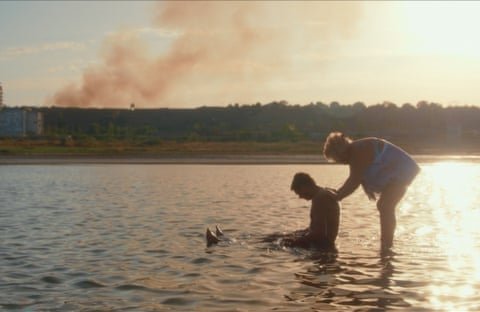
The facility, a relic of the Soviet period, feels suspended in time. Its institutional interiors show signs of wear, with peeling paint and water-stained ceilings hinting at a busier, more glorious past. The treatments on offer—mud therapies and vintage electro-massage machines—further enhance this atmosphere of a place untouched by the modern world.
The film, shot after the invasion began, observes the resort’s guests with a compassionate eye. Among them is a mother who has brought her bachelor son, quietly hoping he might find a partner. Their shared slow dance to a classic pop ballad provides one of the film’s most tender moments. Other stories surface quietly: a woman mourning a husband lost in combat, a soldier recuperating from frontline injuries, and another seeking treatment for fertility.
Overseeing the resort is a larger-than-life manager, a man whose booming voice and constant pressure from staff reflect the difficulties of operating in a warzone. The reality of the conflict is never far away; air raid sirens sound regularly, and guests frequently check their phones for missile alerts and news from the front.
Yet, amid the anxiety, a powerful sense of resilience emerges. This is movingly crystallized in a scene where the national anthem is played, reducing many to tears as personal loss and collective struggle surface in a moment of shared emotion.
The documentary presents this sanatorium not just as a time capsule, but as a fragile sanctuary where the human need for comfort and community persists, against all odds.