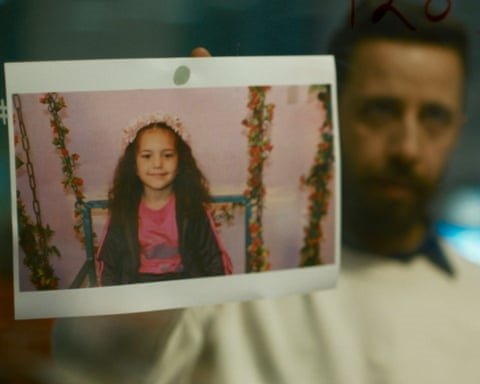
A new film uses the actual audio of a five-year-old Palestinian girl’s desperate pleas for help, weaving them into a dramatic reconstruction of the emergency response that tried, and failed, to save her. The project has ignited intense debate over its approach, even as it commands attention for its raw emotional power.
The film centers on the final hours of Hind Rajab, who was trapped in a vehicle with her family after an Israeli military strike in Gaza. While the girl survived the initial attack, she remained on the phone with emergency services for hours, her voice captured in real time. The director blends this authentic, harrowing recording with scripted scenes showing the efforts of paramedics and dispatchers.
At the heart of the film is the tension between the urgency of the child’s cries and the bureaucratic and military constraints that prevented a swift rescue. Dispatchers are shown identifying the girl’s location—a gas station just minutes from an available ambulance. Yet, they are bound by protocols requiring coordination with international bodies and Israeli defense authorities to establish a safe route. The agonizing delay underscores the impossible conditions under which emergency teams operate in conflict zones.
One of the film’s most charged moments comes when a frustrated responder questions the ethics of coordinating with the same military believed responsible for the attack. The scene lays bare accusations of complicity, while another character defends the process as a grim necessity to prevent further loss of life.
The project has drawn both acclaim and criticism. Supporters praise its bold engagement with a painful, ongoing reality, while skeptics question the decision to frame a real tragedy within a dramatized format. Yet the film undeniably forces viewers to confront the human toll of war, using the voice of a child to bridge the gap between headlines and lived experience.
By merging documentary evidence with narrative filmmaking, the work challenges conventional storytelling and raises difficult questions about how—and when—such stories should be told.