A growing trend is seeing sports and entertainment fans pay significantly more for the simple convenience of sitting on the aisle. Major events across Australia are now implementing “aisle seat premiums,” a pricing strategy that places a higher value on seats at the end of a row.
The surcharge has reached $25 for the Melbourne Formula One Grand Prix, following a pattern also seen at the Australian Open tennis tournament and the MotoGP at Phillip Island. The practice, which extends to some music concerts, prices these perimeter seats higher than those located in the middle of a section.
The logic behind the move is rooted in consumer behavior. Research indicates that patrons are willing to pay extra for the ease of access these seats provide, allowing them to reach restrooms and concessions or leave their spot without disturbing fellow spectators. A recent academic study confirmed that aisle seats consistently command a higher resale value on secondary markets.
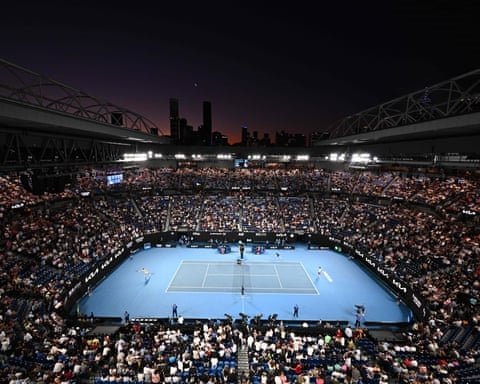
At the upcoming Australian Open, the premium for an aisle seat will range from $5 to $15, depending on the session and venue. For example, on a specific evening at Rod Laver Arena, a standard seat is priced at $319, while an aisle seat in the same bay costs $334. Event organizers report that data consistently shows these seats are among the first to sell out, confirming strong consumer demand for the added convenience.
Marketing experts describe this as a “convenience premium,” a common phenomenon where consumers accept additional costs for perceived benefits. However, consumer behavior researchers warn that there is a risk of backlash if prices continue to climb solely based on demand. The strategy of “dynamic pricing,” which aims to maximize profit from each customer’s willingness to pay, can leave patrons feeling exploited if pushed too far.
Suggestions to mitigate negative sentiment include bundling costs together rather than itemizing numerous surcharges, or offering premium seating as a reward through customer loyalty programs, a model successfully used by airlines.
While the trend is gaining ground in motorsports, tennis, and concerts, it has not been universally adopted. Other major summer sports, including cricket and basketball, have not received sufficient customer feedback to justify introducing similar aisle pricing, with some officials noting that the constant comings and goings inherent to a full day of cricket present a unique dynamic. For now, the premium for a little extra legroom and easier access remains a divisive new cost for event-goers.