At 28, Rama Duwaji represents a generational shift in political aesthetics as she steps into the public eye following her husband’s election as mayor of New York City. The Syrian-American artist brings an entirely fresh perspective to what has traditionally been a highly conventional role.
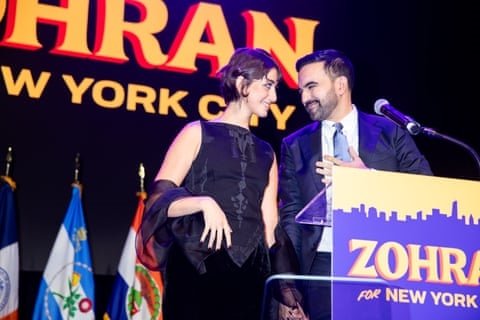
Duaji’s background in fine arts, with a master’s degree focused on themes of Arab identity and social justice, informs her distinctive approach to public presence. Her election night appearance—featuring a sophisticated black ensemble with subtle cultural references—immediately stood apart from the predictable political spouse wardrobe. The choice of a Palestinian-Jordanian designer for her top was particularly noted as a meaningful statement.
What distinguishes Duwaji’s style is its authenticity. Rather than adopting the uniform of political spouses past, she maintains her personal aesthetic: vintage-inspired silhouettes, statement jewelry, and practical footwear that reflects her Brooklyn lifestyle. This isn’t costume dressing for a role but rather bringing one’s genuine self into the public sphere.
The couple’s modern love story—meeting on a dating app, marrying shortly before the election—combined with their visible affection for New York City has captured public imagination. Their subway ride to city hall for their wedding, documented in casual photographs, presented a relatable narrative that resonates with younger constituents.
Social media has taken particular notice of what’s being called an “aloof wife” aesthetic—a cool, self-possessed presence that contrasts sharply with more traditional expectations of political spouses. Her Instagram presence focuses on her artistic inspirations and personal style rather than political campaigning, maintaining a clear boundary between her identity and her spouse’s profession.
Fashion observers note that Duwaji’s choices consistently support independent and emerging designers rather than established luxury brands. This selective approach to fashion partnerships suggests a thoughtful consideration of how clothing communicates values and allegiances.
For many young voters, this represents more than just style—it signals a broader shift in how leadership and public life can be represented. The visual language of politics is evolving, and Duwaji’s presence suggests that authenticity and personal identity now play a crucial role in connecting with a new generation.