
In a darkly comedic new film, an unemployed paper factory worker devises a chillingly logical, if monstrous, plan to reclaim his place in the workforce: by systematically eliminating the competition. The story unfolds with the sharp, confident pacing audiences have come to expect from its acclaimed director, blending caper-style antics with a deeper exploration of family turmoil and a crisis of masculine identity.
The protagonist, a man named Man-su, appears to have the perfect life, presiding over a family barbecue in his comfortable home. But the idyllic scene shatters when he is laid off from the paper mill where he worked. The severance package, symbolized by a gift of eels from his American bosses, is a cruel farewell. Consumed by a desperate need to provide for his wife, children, and even the family dogs, he fixates on finding a new job in his specialized field before his money runs out.
Faced with an impossible job market, he hatches a brilliant and ruthless scheme. He places a fake job advertisement in an industry trade magazine, cunningly specifying that applications must be submitted on paper by mail to avoid a digital trail. Using the personal information sent by hopeful applicants, he plans to murder them, thereby creating vacancies if they are employed or simply thinning the herd of rivals if they are not.
When questioned about seeking work outside his industry, he stubbornly insists he has “no other choice”—a phrase that echoes the cold corporate logic of the American executives who fired him. His solution, however, spirals into a different kind of compulsion. The film initially sets up expectations of a methodical killing spree, but the narrative soon swerves. The protagonist’s campaign stalls, and other, more personal demons rise to the surface.
We learn the family home he risks losing to foreclosure is his childhood residence, a place haunted by a traumatic history involving his father. His violent actions begin to seem less about his unemployment and more connected to these deep-seated psychological wounds. Subplots of domestic unease take center stage: his wife takes a job with a dentist, sparking his paranoid jealousy and a psychosomatic toothache he refuses to have treated. Meanwhile, his teenage son gets into trouble and witnesses his father’s bizarre behavior in the greenhouse, the site of a surreal dream sequence that casts an eerie pall over the entire story.
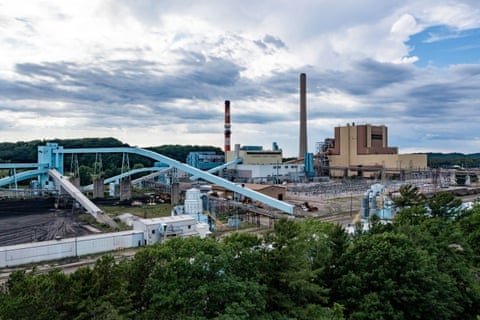
A thread of deadpan, absurdist comedy runs throughout, even as the plot darkens. The film culminates in striking, almost abstract images of automated paper production and environmental decay, suggesting a world where human beings and their desperate intentions are being rendered obsolete by cold, unfeeling machinery. The protagonist’s murderous quest for relevance becomes a farcical tragedy in the face of an encroaching, impersonal future.