Documentarian Myrid Carten turns the camera on her most painful subject: her mother, Nuala. The resulting film is an unflinching portrait of a woman grappling with bipolar disorder and severe alcoholism, a combination that has defined their family’s life for years.
The film opens with a stark reality. Carten recounts spotting her mother on a Belfast street, dishevelled yet still identifiable by the glamorous high-heeled shoes she insisted on wearing. This stands in jarring contrast to archival news footage that reveals a different Nuala—a poised, professional social worker, once an author of guidance for police on handling domestic abuse victims.
The woman of the present, when sober, remains articulate and insightful. Yet she is locked in a cycle of addiction, a struggle she shares with one of her brothers, highlighting a painful familial pattern.
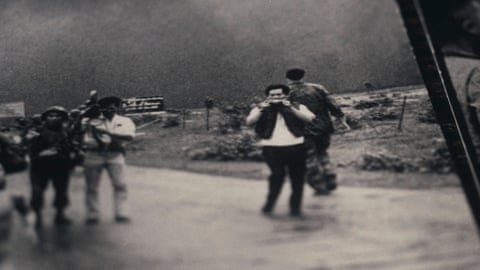
The project’s roots go deep. Given a camcorder as a teenager, Carten proved to be a natural archivist. She preserved everything, including childhood footage of her and her classmates eerily acting out scenes of drunken adult arguments. Later videos show teenage Carten and another girl re-enacting psychodramas inspired by her mother’s behaviour.
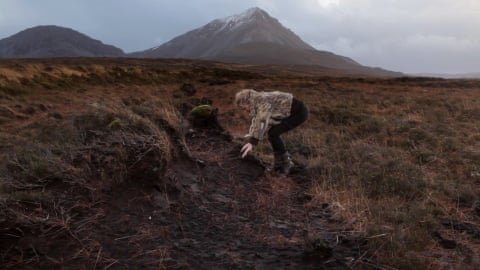
The film reaches its most raw moments when Nuala herself performs for the camera, at one point lying motionless in a road at night, a tragic and absurd figure in a rabbit-fur jacket. In another powerful sequence, Carten lip-syncs to audio recordings of her mother, a technique that underscores the deep, inherited echoes of trauma and guilt.
While the documentary could benefit from a stronger narrative drive, it concludes with a sense of resolution, culminating in a potent montage set to a driving folk score. The film offers a searing, personal look at the complex legacy of addiction and mental illness within a family.