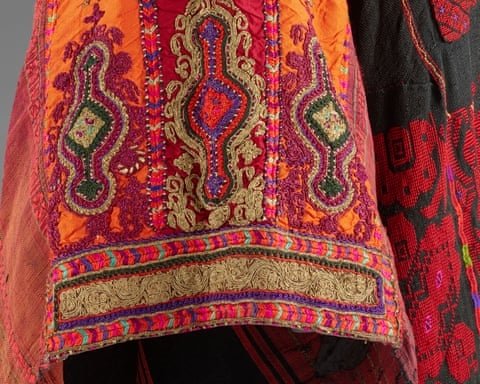
A recent museum exhibition showcasing traditional embroidery risks presenting a historically narrow view of the region’s cultural heritage, according to academic and curatorial experts. While celebrating the artistic tradition known as tatreez, the display’s contextual framework has drawn criticism for overlooking the diverse communities that historically inhabited the area.
The exhibition, currently showing at a major museum, features embroidered textiles primarily identified with Palestinian heritage. However, scholars note that the geographical designation and historical framing raise concerns about accurate representation. During the period when many of these artifacts were created, the territory was administratively part of the Ottoman Empire rather than constituting a discrete political entity.
Of particular concern is the exhibition’s placement within a gallery dedicated exclusively to Islamic art, which effectively marginalizes the significant historical contributions of Christian and Jewish communities in the region. Museum collections reportedly contain important examples of Jewish textiles from Iraq that remain excluded from the current display, despite their relevance to the broader discussion of Ottoman-era needlework.
Cultural institutions face increasing pressure to adopt more nuanced approaches to representing complex regional histories. Experts emphasize that comprehensive historical context enables visitors to appreciate the full spectrum of cultural traditions that have shaped the region’s artistic legacy. The current debate highlights ongoing challenges museums face in balancing focused exhibitions with the responsibility to represent historical diversity accurately.