A complex and devastating security crisis continues to grip Nigeria, fueled by a toxic mix of ethnic tensions, religious friction, and criminal opportunism. The situation presents a multifaceted challenge with no simple solutions, rooted in historical grievances and systemic state failure.
The violence manifests differently across the nation’s regions. In the north-east, the insurgency of groups like Boko Haram has been a long-standing threat. However, a central flashpoint is the country’s middle belt, where conflict between nomadic herders and settled farmers has escalated dramatically. This strife is often simplistically framed as religious warfare, but its origins are deeply entwined with competition over dwindling natural resources.
Environmental pressures, including desertification and deforestation, are pushing herders further south in search of grazing land. Simultaneously, urban development has encroached upon traditional cattle routes, intensifying competition for land and water. This competition has been violently exploited by criminal elements, transforming what were once localized disputes into widespread, asymmetric warfare. Farmers, often armed with little more than machetes, face militias equipped with sophisticated weaponry, some of which is believed to have proliferated from conflicts in the wider Sahel region.
Beneath this surface-level conflict lies a deeper, more systemic issue: the profound marginalization of minority groups. Analysts point to a long-standing failure of governance where the state has consistently overlooked the plight of political, ethnic, and religious minorities. This neglect has created fertile ground for resentment and violence. These communities often feel that their already limited resources are being systematically appropriated by more powerful majority groups or by other minorities backed by the state.
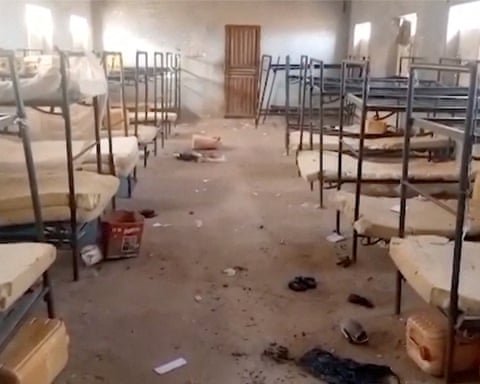
The crisis is exacerbated by a severe lack of effective state presence and policing, particularly in remote and forested areas. These ungoverned spaces have become safe havens for a range of non-state actors, from ideologically driven extremists to commercially motivated criminal gangs, often collectively referred to as “bandits.” The situation is further muddied by intelligence failures and poor data collection, making the true scale of the violence and persecution difficult to ascertain.
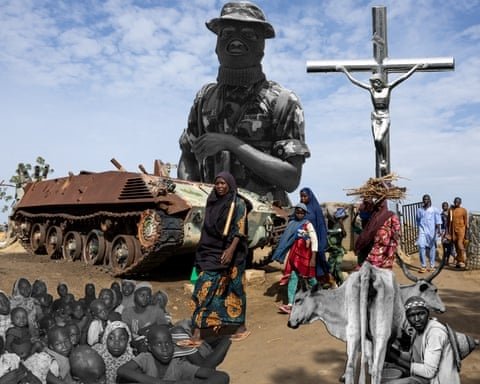
While religious persecution is a grim reality—with targeted attacks on churches and the abduction of priests—the motives are often blurred. Religious figures can be targeted both for their faith and for their economic value, as they may command higher ransoms. The situation reveals a complex web where ideology, criminality, and economic desperation are inextricably linked.
The path forward for Nigeria is fraught with difficulty. There is no single solution for a nation grappling with problems of such intricate and deep-seated nature. What is clear is that a lasting resolution will require addressing not just the symptoms of violence, but the foundational issues of marginalization, resource competition, and the need for more effective and equitable governance that protects all of its citizens.